KUBOTAOGUISS Tomohiro
Last updated: November 4, 2026最終更新:2026年11月4日

KUBOTAOGUISS Tomohiro
Artist, MFA
b. 1992 in Tokyo, Japan.
Member of The Japanese Society for Aesthetics and The Museological Society of Japan
Lives and works in Tokyo and Kanagawa, Japan
Contact: tomohiro4407@gmail.com
Website: https://kubotaoguisstomohiro.com
久保田荻須智広 KUBOTAOGUISS Tomohiro
アーティスト、修士(美術)
1992年東京生まれ
美学会・全日本博物館学会会員
東京・神奈川を拠点に活動
連絡先:tomohiro4407@gmail.com
ウェブサイト:https://kubotaoguisstomohiro.com
ORCID iD: 0009-0005-9619-8852
researchmap iD: R000115336
Biography / Statement
Statementステートメント
KUBOTAOGUISS Tomohiro completed an MFA in Painting (Printmaking) at Tokyo University of the Arts in 2020 and is currently enrolled in the doctoral program at the same university, researching the institutional challenges surrounding the preservation and inheritance of contemporary artworks.
KUBOTAOGUISS’s practice takes the artist’s own surroundings and circumstances as its starting point, acting on existing objects and relationships. Rather than making reality conform to a predetermined finished form, the work responds to limited space, time, and economic and institutional conditions through acts such as changing the arrangement and quantity of things, organizing, moving, storing, and repairing. KUBOTAOGUISS regards this way of working as a form of “symptomatic treatment,” questioning not only how intervention can improve a situation, but also the arbitrariness in the artist’s judgments and the burdens they leave for others.
In recent years, KUBOTAOGUISS has also come to treat artworks not merely as “assets” that are complete once made, but as “debts” that continue to demand maintenance, judgment, and response from their owners and custodians, intervening in the conditions of ownership, display, preservation, and inheritance. Making art, research, criticism, and curating are pursued as independent yet continuous practices.
In 2025, KUBOTAOGUISS was selected for TAAP (Tokyo Artist Accelerator Program) by Arts Council Tokyo. In 2026, the critical essay “Artworks That Cannot Be Repaid: Toward a Design for the Death of the Work” was named runner-up in the 17th Bijutsu Techo Art Criticism Award. That same year, KUBOTAOGUISS co-organized the exhibition Treading the Traces of the Hand: NAKANISHI Natsuyuki Archive (Chinretsukan Gallery, The University Art Museum, Tokyo University of the Arts) with Yuichiro Taira. KUBOTAOGUISS also realizes exhibitions and research projects as part of COM_COURSE, a unit with art historian Shin Yoshimura.
Note on name: “KUBOTAOGUISS Tomohiro” has been used as the artist name since 2023 (beginning with the AIR3 residency at BnA Alter Museum); the legal name is “KUBOTA Tomohiro.” Past activities may be listed under “Tomohiro Kubota,” “Tomohiro Kubota Oguiss,” or “Tomohiro Kubotaoguiss.”
2020年に東京藝術大学大学院美術研究科絵画専攻(版画)を修了。現在、同大学院博士後期課程に在籍し、現代美術作品の保存・継承をめぐる制度的課題を研究している。
久保田荻須智広は、自らが置かれた環境や状況を出発点に、既存の物や関係へ働きかける制作を行っている。あらかじめ定めた完成像に現実を合わせるのではなく、物の配置や数量を変え、整理や移動、保管、補修といった行為を通して、限られた空間、時間、経済的・制度的条件に応答する。この制作態度を「対症療法的」と捉え、介入によって状況を改善するだけでなく、作家の判断に含まれる恣意性や、それが他者に残す負担についても問い直している。
近年は、作品を完成によって完結する「資産」ではなく、所有者や管理者に維持・判断・応答を要求し続ける「負債」としても捉え、所有・展示・保存・継承の条件に介入している。作品制作と研究、批評、キュレーションを独立しつつ連続する実践として展開している。
2025年、アーツカウンシル東京によるTAAP(Tokyo Artist Accelerator Program)に採択。2026年、芸術評論「返済不能な作品たち──その死の設計へ向けて」が第17回『美術手帖』芸術評論募集で次席となった。同年、平諭一郎とともに展覧会『制作(てずから)の跡を踏む─中西夏之アーカイヴ』(東京藝術大学大学美術館 陳列館)を企画・運営した。美術史家・吉村真とのユニット「COM_COURSE」でも、展覧会やリサーチプロジェクトを行っている。
表記について 作家名義は2023年(BnA Alter Museum でのレジデンス「AIR3」)より「久保田荻須智広(KUBOTAOGUISS Tomohiro)」を用いている。本名は「久保田智広(KUBOTA Tomohiro)」。過去の活動では「久保田智広」「Tomohiro Kubota」「Tomohiro Kubota Oguiss」「Tomohiro Kubotaoguiss」と表記されている場合がある。
Statementステートメント
KUBOTAOGUISS Tomohiro’s practice begins from the artist’s own surroundings and circumstances, working to improve, adjust, and reconsider what is already there. Rather than forcing the conditions of reality to fit a predetermined ideal of the finished work, KUBOTAOGUISS looks for methods and forms of making within what is at hand: existing objects, limited space and time, and economic and institutional constraints. Instead of making something new, the work may involve rearranging things, reducing their number, or helping someone with their tasks. The compromises and revisions this entails are not necessarily an abandonment of ideals. By accumulating concrete responses to the problems at hand, and letting the plan and the actual conditions reshape each other, KUBOTAOGUISS seeks forms and values specific to each situation. KUBOTAOGUISS regards this way of working as a form of “symptomatic treatment.”
Yet what should be regarded as a problem, and what judged worth improving? Any intervention in an existing environment involves the artist’s own arbitrariness, and care for others can turn into intrusive meddling. At the same time, continuing to make work gradually ceased to be self-evident. Artworks demand time, money, and storage space from the artist, and even after they are made, they leave others to take on their management and the decisions they require. The artist carries debts while generating new ones. This contradiction led KUBOTAOGUISS to approach the very acts of making, owning, and keeping artworks critically and reflexively.
These questions have surfaced again and again in a practice of sorting, moving, taking into custody, making promises, and at times letting go of things. What is at stake there is not only what to bring into being, but how to act on existing objects and relationships, and what one’s interventions end up leaving behind. The recognition that an artwork is valued as an “asset” while also being a “debt” that demands maintenance and succession from others is one of the issues that have emerged from this practice.
In Temporary Disposal Inventory, objects overflowing from living spaces were brought into the exhibition venue, where they were sorted and organized throughout the exhibition period. Items judged for disposal were discarded after the exhibition closed; the rest were returned to daily life. The time spent continually deciding what to keep is itself what makes up the exhibition. In eat ro ekyu, the artworks, equipment, and furniture usually kept in a commercial gallery were carried out and the exhibition walls removed, so that the exhibition came into being without bringing in anything new. After the exhibition, the walls were repaired and the network improved, among other things, before the venue was handed back. In 12 White Inventories, KUBOTAOGUISS took on the storage and management of commemorative coins collected by the artist’s grandfather, producing twelve white storage boxes and a database for managing them. These acts are more than auxiliary tasks: the time required for sorting, the transformation of the exhibition space, and the very systems of storage and management constitute the works.
The ongoing Assessment of Inheritance takes as its subject the obligations inherited along with objects, and the conditions under which those obligations are transferred and brought to an end. Who must maintain things, why, and for how long? Under what conditions can those who have taken on that role step down from it? Even when an ending is designed, disposal requires someone to make the decision, and a contract requires someone to manage it. Even when objects are reduced, keeping records entrusts their preservation to someone else. What an intervention can change and what nonetheless remains both appear within the work.
These practices connect with institutional critique, which acts on the conditions of ownership and display, and with Maintenance Art, which brought the labor of maintenance into art. The survival of an artwork requires not only the object itself but also places, equipment, skills, and the labor and lives of the people involved. What should be kept, renewed, or let go? Such decisions cannot be reduced to protecting the material identity of the work.
KUBOTAOGUISS moves back and forth between making art and research, criticism, and curating, treating them as independent yet continuous practices. What is in question is not only how artworks can be preserved, but what can be made in the first place, and under what conditions making can continue. Responding to the actual conditions of production does not mean justifying their insufficiency or inequality. While criticizing those conditions, KUBOTAOGUISS pursues both artistic quality and the sustainability of making. Making, researching, putting things into words, and at times holding back from making. As such judgments accumulate, the boundary between what one takes on oneself and what one leaves others to take on keeps shifting.
久保田荻須智広は、自らが置かれた環境や状況を出発点として、物事の改善や調整、再検討を行う制作に取り組んできた。あらかじめ定めた理想的な完成像に現実の条件を一方的に合わせるのではなく、すでにある物、限られた空間や時間、経済的・制度的な制約に即して、制作の方法や形式を探る。新しい物を作る代わりに、置き方を変え、数を減らし、誰かの作業を手伝うこともある。そこでの妥協や修正は、必ずしも理想の放棄ではない。目の前の問題への具体的な対応を重ね、構想と現実の条件を相互に変更しながら、その状況に固有の形式や価値を見いだそうとする。久保田荻須は、こうした制作態度を「対症療法的」と捉えている。
しかし、何を問題とみなし、改善すべきだと判断するのか。既存の環境への働きかけには作家の恣意性が含まれ、他者への配慮が差し出がましい介入となることもある。また、制作を続けること自体も、次第に自明ではなくなっていった。作品は作家に時間や費用、保管場所を要求し、制作後も他者に管理や判断を引き受けさせる。自らが負債を抱えながら、新たな負債を生み出している。この矛盾から、作品を作り、所有し、残すという行為そのものを批判的・反省的に捉えるようになった。
こうした問いは、物を整理し、移動し、預かり、約束し、ときに手放す実践のなかで繰り返し現れてきた。そこでは、新たに何を生み出すかだけでなく、既存の物や関係にどう働きかけ、介入によって何を残してしまうのかが問われる。作品が「資産」として価値づけられると同時に、維持や継承を他者に要求する「負債」でもあるという認識は、そうした実践から生まれた課題の一つである。
《一時的廃棄目録》では、生活の場から溢れた物品を展覧会場に移し、会期中に分別と整理を続けた。廃棄すると判断した物は会期後に処分し、残りを生活へ戻す。何を残すかを決め続ける時間そのものが、展示を構成している。《eat ro ekyu》では、コマーシャルギャラリーに置かれていた作品や備品、什器を運び出し、展示壁を取り払って、新しい物を持ち込まずに展覧会を成立させた。会期後には壁を補修し、回線を整えるなど、会場に手を入れて返している。《12 White Inventories》では、祖父が集めた記念貨幣の保管と管理を引き受け、12点の白い収納箱と管理データベースを制作した。これらの行為は補助的な作業にとどまらず、選別に要する時間、展示空間の変化、保管と管理の仕組みそのものが作品を構成している。
進行中の《相続のアセスメント》では、物とともに引き継がれる義務、その移転と終了の条件を制作の課題としている。誰が、なぜ、いつまで維持しなければならないのか。引き受けた人は、どのような条件でその役割を降りられるのか。終わり方を設計しても、廃棄には判断する人が、契約には管理が必要になる。物を減らしても、記録を残せば、その保存を誰かに委ねることになる。介入によって変えられるものと、なお残り続けるものの両方が、制作のなかに現れる。
これらの実践は、所有や展示の条件に働きかける制度批判芸術や、維持の労働を芸術の内部へ引き入れるメンテナンス・アートとも接続する。作品の存続には、物そのものだけでなく、場所や設備、技術、関わる人々の労働と生活が必要になる。何を残し、更新し、手放すのか。その判断は、作品の物質的な同一性を守ることだけでは尽くせない。
久保田荻須は、作品制作と研究、批評、キュレーションを往還させ、独立しつつも連続した実践として捉えている。問われているのは、作品をいかに残すかだけでなく、そもそも何を、どのような条件で作り続けられるのかということである。現実の制作条件への応答は、その不足や不平等を正当化するものではない。そうした条件を批判しながら、芸術的な質と制作の持続可能性の双方を追求する。作り、調べ、言葉にし、ときに作ることを思いとどまる。その判断を重ねるなかで、自らが引き受けるものと、他者に引き受けさせるものとの境界も変わり続けている。
CV
EDUCATION
2024–present
Doctoral Program, Graduate School of Fine Arts, Tokyo University of the Arts, Japan
2020
Master of Fine Arts (MFA), Painting (Printmaking), Tokyo University of the Arts, Japan
2018–2019
Exchange Program, Universität für angewandte Kunst Wien (University of Applied Arts Vienna), Austria
2017
Bachelor of Fine Arts (BFA), Department of Oil Painting, Tokyo University of the Arts, Japan
SOLO EXHIBITIONS
2025
- R: 5 out of ?, CREATIVE HUB UENO “es”, Tokyo
2022
- eat ro ekyu, curated by Tomoya Iwata, EUKARYOTE, Tokyo
GROUP EXHIBITIONS
2025
- TAAP Live 2025, TODA HALL & CONFERENCE TOKYO Hall A, Tokyo, Japan
- Culture-Screen, Universität für angewandte Kunst Wien Room SR 10, Austria
2024
- in search of lost figures, exhibited and curated by COM_COURSE (Shin Yoshimura + Tomohiro KUBOTAOGUISS), Tokyo Arts and Space Hongo, Tokyo, Japan
- practice_02: Repeat, EUKARYOTE, Tokyo
- Medium and Dimension: Maze, GASBON METABOLISM, Yamanashi, Japan
2023
- AIR3 SCG, BnA Alter Museum SCG, Kyoto, Japan (AIR3 residency showcase exhibition)
2020
- attunement, two-person exhibition with Taishi Hatayama, curated by Tomoya Iwata, The 5th floor, Hanazono Alley, Tokyo, Japan
- Project le bosquet, an exhibition project designed to be hosted in private homes across Japan
- Amusement park city evolution – Squad strategy meeting in Shibuya, RELABEL Shinsen, Tokyo
- Tokyo University of the Arts The 68th Graduation Works Exhibitions, Tokyo University of the Arts
2019
- Traveling Scholarship Program Exhibition, Ishibashi Foundation, Tokyo University of the Arts, Japan
- GRAPHICA CREATIVA 2019 “PUBLISH OR PERISH, Jyväskylä Art Museum, Finland
- practice_01: Drawing lines, EUKARYOTE, Tokyo
2018
- TableTalk vol.3, Gallery DEN5, Tokyo, Japan
- Conservation for the Arts-Thinking on Techne, The University Art Museum, Tokyo University of the Arts, Japan
2017
- Swing-by, Tokyo University of the Arts
- Critical Surface / At a Critical Moment, curated by Shin Yoshimura, Gallery Barco, Tokyo
- Tokyo University of the Arts The 65th Graduation Works Exhibitions, TOKYO METROPOLITAN ART MUSEUM, Tokyo, Japan
- Air / Pool, curated by Lily Shu, Vicinity surrounding Nishikoyama station, Tokyo, Japan
- Tawara Scholarship Exhibition, Tokyo University of the Arts, Tokyo, Japan
2016
- Ueno Geiyu Award Exhibition, Tokyo University of the Arts
- ART in Yujuku, Yujuku Onsen in Minakami Town, Gunma, Japan
- Drawing Water (DIG TOKYO 2016), curated by Linda Dennis, AIR 3331 Nishikicho studio, Tokyo, Japan
ART FAIRS
2025
- ARTISTS’ FAIR KYOTO 2025, Kyoto Shimbun Building, Kyoto, Japan
CURATION
2026
- Treading the Traces of the Hand: NAKANISHI Natsuyuki Archive (制作(てずから)の跡を踏む─中西夏之アーカイヴ), co-organized with Yuichiro Taira, Chinretsukan Gallery, The University Art Museum, Tokyo University of the Arts, Tokyo, Japan (organized by the Center of Creative Inheritance for the Future and GEIDAI NAKANISHI Archive Initiative)
2024
- in search of lost figures (TOKAS OPEN SITE 9), curated by COM_COURSE (Shin Yoshimura + Tomohiro KUBOTAOGUISS), Tokyo Arts and Space Hongo, Tokyo, Japan
2023
- Queens Casting Mabs, Curated by Tomohiro KUBOTAOGUISS, artists: Aya Kurashiki + Yumeno Goto, CLUB OUZOKU, Yokohama, Japan
2022
- (((((,, curated by Tomohiro KUBOTAOGUISS + Mio Harada, Komagome Soko, Tokyo, Japan (Supported by the “Grant Program for Promotion of Creative Artistic Activities [Single Year Grant]”, Arts Council Tokyo — grant awarded to Mio Harada as the named applicant)
2021
- from Intimate path, Curated by COM_COURSE (Shin Yoshimura + Tomohiro KUBOTAOGUISS), ART369 space, Kuroiso, Nasushiobara, Tochigi, Japan
- Intimate path, Curated by COM_COURSE (Shin Yoshimura + Tomohiro KUBOTAOGUISS), 16 private homes and shops operated by local businesses in Kuroiso, Nasushiobara, Tochigi, Japan
RESIDENCE
2023
- BankART AIR 2023 SPRING, BankART STATION, Kanagawa, Japan (as COM_COURSE with Shin Yoshimura)
- AIR3, BnA Alter Museum, Kyoto, Japan (artist residency, July–September 2023)
CATALOGUES
2025
- OPEN SITE 9 COM_COURSE “in search of lost figures”, published by Tokyo Arts and Space (Tokyo Metropolitan Foundation for History and Culture), March 29, 2025. texts by Tomohiro KUBOTAOGUISS, Shin Yoshimura, and Takumi Kikuchi
WRITINGS
2026
- Tomohiro KUBOTAOGUISS, “Artworks That Cannot Be Repaid: Toward a Design for the Death of the Work” (返済不能な作品たち──その死の設計へ向けて), Bijutsu Techo web edition, Bijutsu Shuppansha
2024
- Tomohiro KUBOTAOGUISS, “Note to a Colleague,” in BUILDING BLOCKS: an homage to Seth Siegelaub, solo exhibition catalogue by Kensuke Ito
REVIEWS & ARTICLES
2026
- Noi Sawaragi, Minoru Shimizu, Reiko Tomii, and Futoshi Hoshino, “Shinsa o oete” [After the Judging] (審査を終えて), interviewed by the editorial department, edited by Tamaki Sugihara, in “The 17th Art Criticism Award: Selected Entries” (「第17回芸術評論募集」入選作発表), Bijutsu Techo, July 2026 (Vol. 78, No. 1110), Bijutsu Shuppansha, pp. 254–263 [review]
2025
- Takumi Kikuchi, “In Search of Lost Figures, By Way of a Detour” (その姿の探し方、迂路をさまよいながら), in OPEN SITE 9 COM_COURSE “in search of lost figures”, Tokyo Arts and Space, 2025 [review]
2022
- Hiroki Yamamoto, Posuto jinshinsei no geijutsu [Art in the Post-Anthropocene] (ポスト人新世の芸術), Bijutsu Shuppansha, 2022, pp. 156–158
- Kento Nakamoto, “(b)reak ye out——久保田智広「eat ro ekyu」評” [(b)reak ye out: a review of Tomohiro Kubota’s eat ro ekyu] [review]
2021
- Takuya Nakao, “Tomohiro Kubota (KUBOTAOGUISS Tomohiro),” in the special feature “Newcomer Artists 100,” Bijutsu Techo, February 2021 (Vol. 73, No. 1086), p. 21 [article]
2017
- Noi Sawaragi, “15 Art University Graduation Exhibition Complete Report”, Art Collectors’, No. 98, 2017, p. 24 [article]
ARTIST TALKS, PRESENTATIONS & WORKSHOPS
2026
- Guest lecturer, sessions 12 and 13 of the course “Creation, Inheritance, and Archives: Interdisciplinary Thinking and Practice,” Tokyo University of the Arts (November–December, scheduled)
- Flux Forum 1, Externalizing the Debt-ness of Artworks and Art Education: A Case Study of Tokyo University of the Arts, Oral Presentation (Yoshida-South Campus, Kyoto University, Kyoto), Organized by Kaori Taguchi + Yuichiro Taira
- Art Conservation and Heritage Research Group, Center of Creative Inheritance for the Future, Tokyo University of the Arts, When Artworks Become Debt, Oral Presentation (online)
2025
- The 51st Annual Conference of The Museological Society of Japan, Artworks as Debt: Structural Analysis of Contemporary Art Collection Issues and Artistic Responses from the Perspective of the University Art Museum and Tokyo University of the Arts, Oral Presentation (Kokugakuin University Shibuya Campus, Tokyo)
2022
- Musashino Art University Oil Painting department Special lectures by student volunteers, Works and curation, Tomoya Iwata, Tomohiro KUBOTAOGUISS
2019
- Moderator, planner, TableTalk Vol.5, Tokyo University of the Arts, Tokyo, Japan
- Moderator, speaker, and planner, TableTalk Vol.4, Tokyo University of the Arts, Tokyo, Japan
2018
- Moderator, speaker, TableTalk Vol.3.2, Gallery DEN5 and Tokyo University of the Arts, Tokyo, Japan
- Speaker, Something of the same age #4, kotobuki meeting + CAMP, Tokyo, Japan
AWARDS AND GRANTS
2026
- Runner-up (次席), 17th Bijutsu Techo Art Criticism Award (Bijutsu Shuppansha)
2025
- Selected for the “TAAP (Tokyo Artist Accelerator Program)” (Arts Council Tokyo)
- Grant Recipient “FY2025 Art Resource Utilization Project Open Call” (The Center of Creative Inheritance for the Future)
2024
- Recipient of the O Memorial Award (Graduate School of Fine Arts, Tokyo University of the Arts)
2022
- Shortlisted for IMA next “OPEN CALL” (IMA Editorial Team)
2021
- Recipient of the “VIVA AWARD 2021 associate artist“
2018
- Recipient of the Ishibashi Foundation – GEIDAI Oil-Painting Department Traveling Scholarship (long-term dispatch), with stays in Obuse (Nagano), Vienna, and London
2017
- Recipient of the Graduation Work Grand Prize and University Art Museum Purchase, Department of Oil Painting (Tokyo University of the Arts)
- Recipient of the O Memorial Award (Graduate School of Fine Arts, Tokyo University of the Arts)
2016
- Recipient of the “Ueno Geiyu Award” (Tokyo University of the Arts)
PUBLIC COLLECTIONS
- The University Art Museum, Tokyo University of the Arts, Japan (2017)
- Minakami Town, Gunma Prefecture, Japan (2017)
学歴
2024年〜現在
東京藝術大学大学院 美術研究科博士後期課程 美術専攻(油画・版画研究領域)在籍中
2020年
東京藝術大学大学院 美術研究科絵画専攻(版画第一研究室)修了
2018年〜2019年
ウィーン応用芸術大学(Universität für angewandte Kunst Wien)交換留学
2017年
東京藝術大学 美術学部絵画科油画専攻 卒業
個展
2025年
『5/?のR』CREATIVE HUB UENO “es”(東京)
2022年
『eat ro ekyu』EUKARYOTE(東京)*キュレーション:岩田智哉
主なグループ展
2025年
『TAAP Live 2025』TODA HALL & CONFERENCE TOKYO ホールA(東京)
『Culture-Screen』ウィーン応用芸術大学 Room SR 10(ウィーン)
2024年
『その姿の探し方』トーキョーアーツアンドスペース本郷(東京)*出品兼キュレーション:COM_COURSE(吉村真+久保田荻須智広)
『practice_02: 繰り返す』EUKARYOTE(東京)
『メディウムとディメンション: Maze』ガスボンメタボリズム(山梨)*キュレーション:中尾拓哉
2023年
『AIR3 SCG』BnA Alter Museum SCG(京都)*AIR3 レジデンス成果発表展
2020年
『attunement』花園アレイ The 5th floor(東京)*畑山太志との二人展、キュレーション:岩田智哉
『プロジェクト・ル・ボスケ』日本国内の各自宅で開催可能な展覧会企画
『遊園地都市の進化 – スクワット作戦会議 in 渋谷』RELABEL Shinsen(東京)
『第68回 東京藝術大学卒業・修了作品展』東京藝術大学(東京)
2019年
『石橋財団・東京芸大油画 海外派遣奨学生展』東京藝術大学(東京)
『GRAPHICA CREATIVA 2019 “PUBLISH OR PERISH”』Jyväskylä Art Museum(フィンランド)
『practice_01: 線を引く』EUKARYOTE(東京)
2018年
『TableTalk vol.3』Gallery DEN5(東京)
『芸術の保存・修復 – 未来への遺産』東京藝術大学大学美術館(東京)
2017年
『Swing-by』東京藝術大学(東京)
『第65回 東京藝術大学卒業・修了作品展』東京都美術館(東京)
『Critical Surface / At a Critical Moment』Gallery Barco(東京)*キュレーション:吉村真
『エア / プール』西小山駅周辺エリア(東京)*キュレーション:Lily Shu
『俵賞展』東京藝術大学(東京)
2016年
『上野芸友賞展』東京藝術大学(東京)
『アートイン湯宿』みなかみ町湯宿温泉地域(群馬)
『Drawing Water (DIG TOKYO 2016)』AIR 3331 錦町スタジオ(東京)*キュレーション:Linda Dennis
主なアートフェア
2025年
『ARTISTS’ FAIR KYOTO 2025』京都新聞ビル(京都)
キュレーション
2026年
『制作(てずから)の跡を踏む─中西夏之アーカイヴ』東京藝術大学大学美術館 陳列館(東京)*企画・運営:平諭一郎+久保田荻須智広、主催:東京藝術大学未来創造継承センター、中西夏之アーカイヴ活用プロジェクト
2024年
『その姿の探し方』トーキョーアーツアンドスペース本郷(東京)*TOKAS「OPEN SITE 9」、キュレーション:COM_COURSE(吉村真+久保田荻須智広)
2023年
『鋳物のマブ』CLUB王族(横浜市)*キュレーション:久保田荻須智広、作家:倉敷安耶+後藤夢乃
2022年
『(((((, 』駒込倉庫(東京)*キュレーション:久保田荻須智広+原田美緒 ※東京芸術文化創造発信助成【単年助成】(アーツカウンシル東京)採択事業。申請者名義:原田美緒
2021年
『from Intimate Path』ART369 space(栃木県那須塩原市黒磯)*キュレーション:COM_COURSE(吉村真+久保田荻須智広)
『Intimate Path』栃木県那須塩原市黒磯の16事業者の各自宅や店舗 *キュレーション:COM_COURSE(吉村真+久保田荻須智広)
レジデンス
2023年
『BankART AIR 2023 SPRING』BankART STATION(神奈川県横浜市)*COM_COURSE(吉村真+久保田荻須智広)として参加
『AIR3』BnA Alter Museum(京都府)*滞在制作 2023年7〜9月
カタログ
2025年
『OPEN SITE 9 COM_COURSE「その姿の探し方」』トーキョーアーツアンドスペース(公益財団法人東京都歴史文化財団 東京都現代美術館)発行、2025年3月29日 *執筆:久保田荻須智広、吉村真、菊地匠
執筆
2026年
久保田荻須智広「返済不能な作品たち──その死の設計へ向けて」『美術手帖』ウェブ版、美術出版社
(https://bijutsutecho.com/magazine/insight/32656)
2024年
久保田荻須智広「同僚への手記」、伊東謙介『BUILDING BLOCKS: an homage to Seth Siegelaub』(伊東謙介個展カタログ)への寄稿(https://booth.pm/ja/items/6523798)
レビュー、記事等
2026年
椹木野衣×清水穣×富井玲子×星野太「審査を終えて」(編集部=聞き手、杉原環樹=構成)、「第17回芸術評論募集」入選作発表、『美術手帖』2026年7月号(Vol.78 No.1110)、美術出版社、pp.254–263(https://bijutsutecho.com/magazine/news/headline/32588) [review]
2025年
菊地匠「その姿の探し方、迂路をさまよいながら」『OPEN SITE 9 COM_COURSE「その姿の探し方」』トーキョーアーツアンドスペース、2025年(https://www.tokyoartsandspace.jp/static/file/publication/2024/booklet/OPENSITE9_COM_COURSE.pdf) [review]
2022年
山本浩貴『ポスト人新世の芸術』美術出版社、2022年、pp.156–158(https://www.hanmoto.com/bd/isbn/9784568202816)
中本憲利「(b)reak ye out——久保田智広『eat ro ekyu』評」 [review]
2021年
中尾拓哉「久保田智広」、特集「2020年代を切り開く ニューカマー・アーティスト100」『美術手帖』2021年2月号(Vol.73 No.1086)、p.21(https://bijutsutecho.com/magazine/news/headline/23360) [article]
2017年
椹木野衣「15 Art University Graduation Exhibition Complete Report」『月刊アートコレクターズ』No.98、2017年、p.24 [article]
ワークショップ、プレゼンテーションなど
2026年
授業「創造と継承とアーカイヴ:領域横断的思考実践」第12・13回 ゲスト講師(東京藝術大学、11–12月、予定)
『Flux Forum 1|研究発表と対話の場』京都大学 吉田南キャンパス(京都)「作品の負債性の外部化と美術教育——東京藝術大学の事例から」*口頭発表(主催:田口かおり+平諭一郎)
芸術保存継承研究会(東京藝術大学 未来創造継承センター)「芸術作品が負債になるとき」*口頭発表(授業「創造と継承とアーカイヴ:領域横断的思考実践」兼研究会、オンライン)
2025年
全日本博物館学会第51回研究大会「負債としての芸術作品——東京藝術大学大学美術館と東京藝術大学から見る現代美術収蔵問題の構造分析と制作における応答」*口頭発表(國學院大学渋谷キャンパス、東京)
2022年
武蔵野美術大学油画学科学生有志特別講義『作品とキュレーション』*スピーカー:岩田智哉、久保田荻須智広
2019年
『TableTalk Vol.5』東京藝術大学(東京)*企画・司会
『TableTalk Vol.4』東京藝術大学(東京)*企画・司会・スピーカー
2018年
『TableTalk Vol.3.2』Gallery DEN5 & 東京藝術大学(東京)*司会・スピーカー
『同時代の何か #4』kotobuki meeting + CAMP(東京)*スピーカー
賞、助成など
2026年
第17回『美術手帖』芸術評論募集 次席(美術出版社)
2025年
TAAP(Tokyo Artist Accelerator Program)採択(アーツカウンシル東京)
令和7年度 芸術資源活用プロジェクト公募 採択(東京藝術大学未来創造継承センター)
2024年
O氏記念賞(東京藝術大学大学院美術研究科)
2022年
IMA next「OPEN CALL」ショートリスト選出
2021年
VIVA AWARD 2021 アソシエイトアーティスト採択
2018年
石橋財団国際交流油画奨学プログラム 長期派遣枠(長野県小布施町、ウィーン〔オーストリア〕、ロンドン〔イギリス〕に滞在)
2017年
O氏記念賞(東京藝術大学大学院美術研究科)
卒業制作最優秀賞・大学美術館買上(東京藝術大学美術学部絵画科油画専攻)
2016年
上野芸友賞(東京藝術大学美術学部)
パブリックコレクション
- 東京藝術大学大学美術館(2017年)
- 群馬県みなかみ町(2017年)
Works
2026 | Treading the Traces of the Hand: NAKANISHI Natsuyuki Archive / 制作(てずから)の跡を踏む──中西夏之アーカイヴ
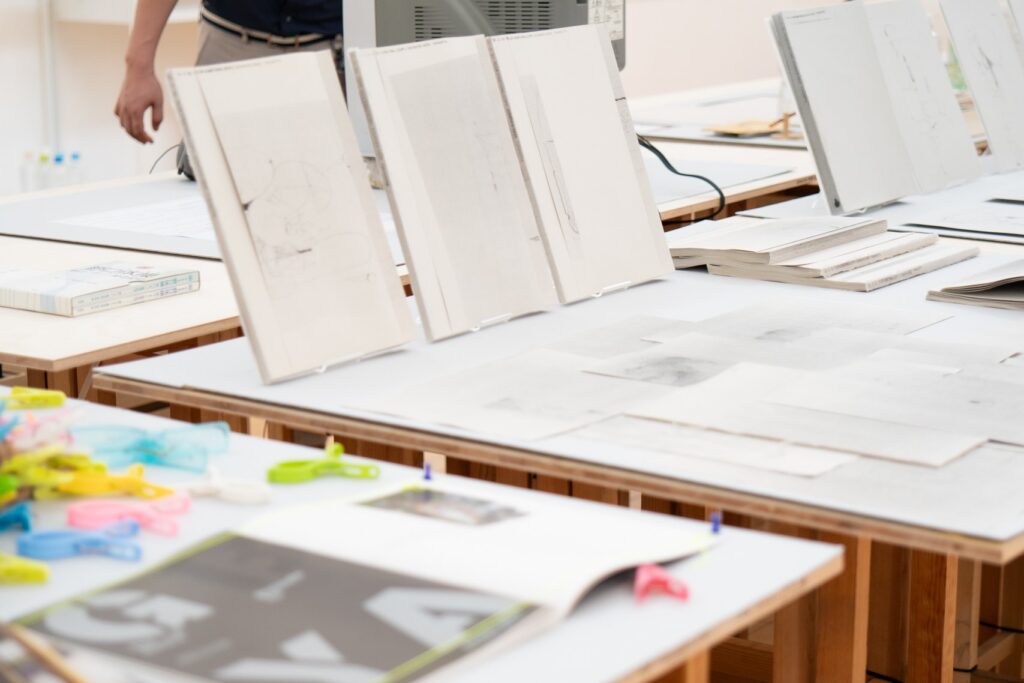
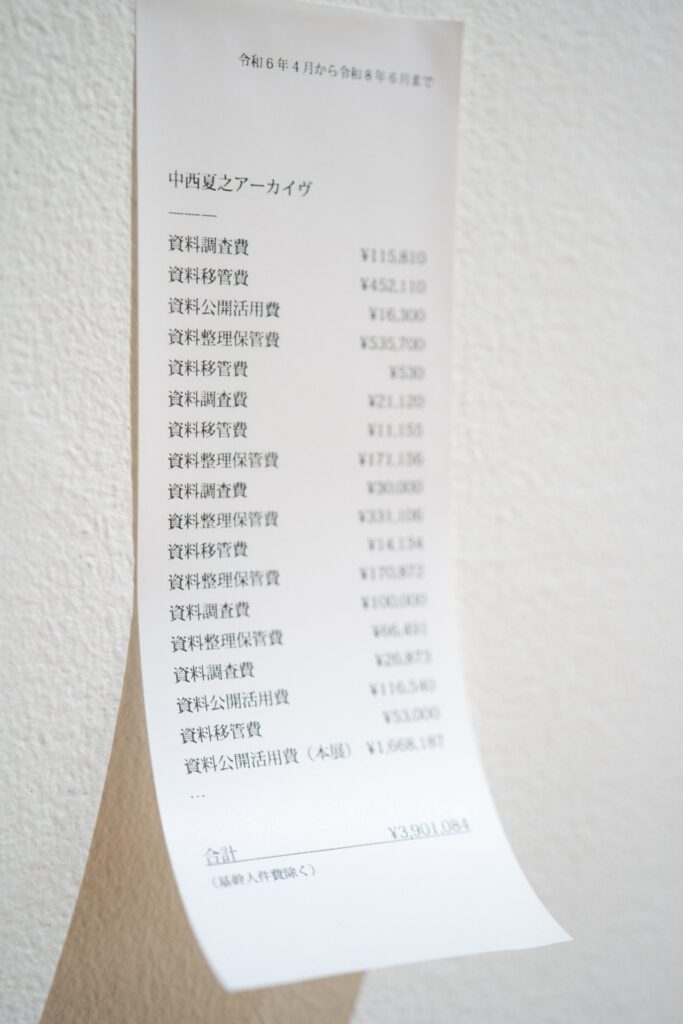
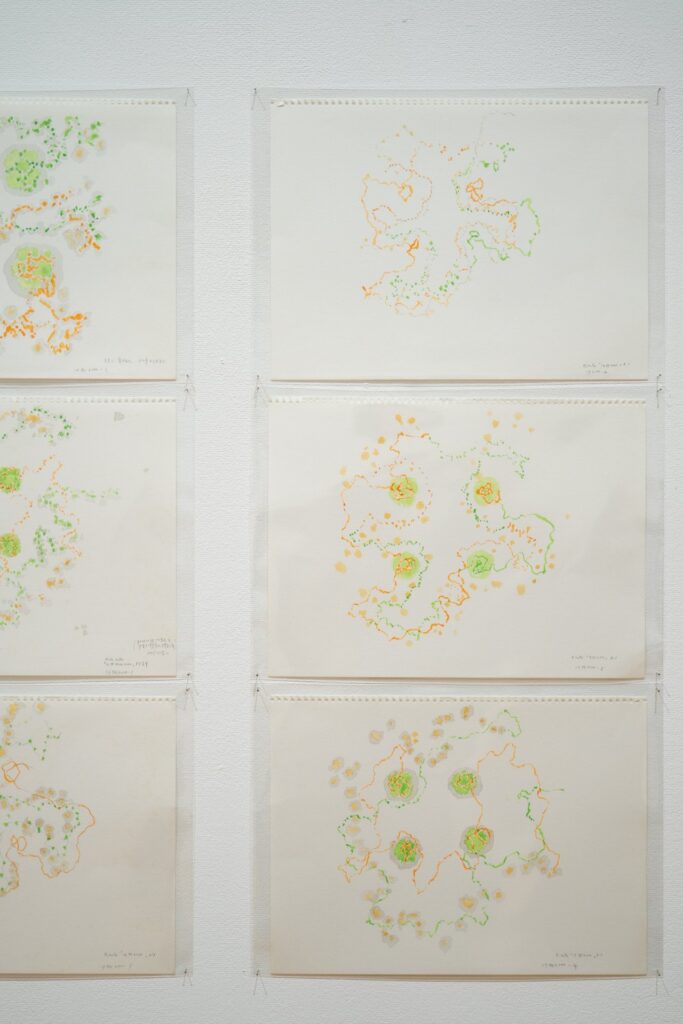
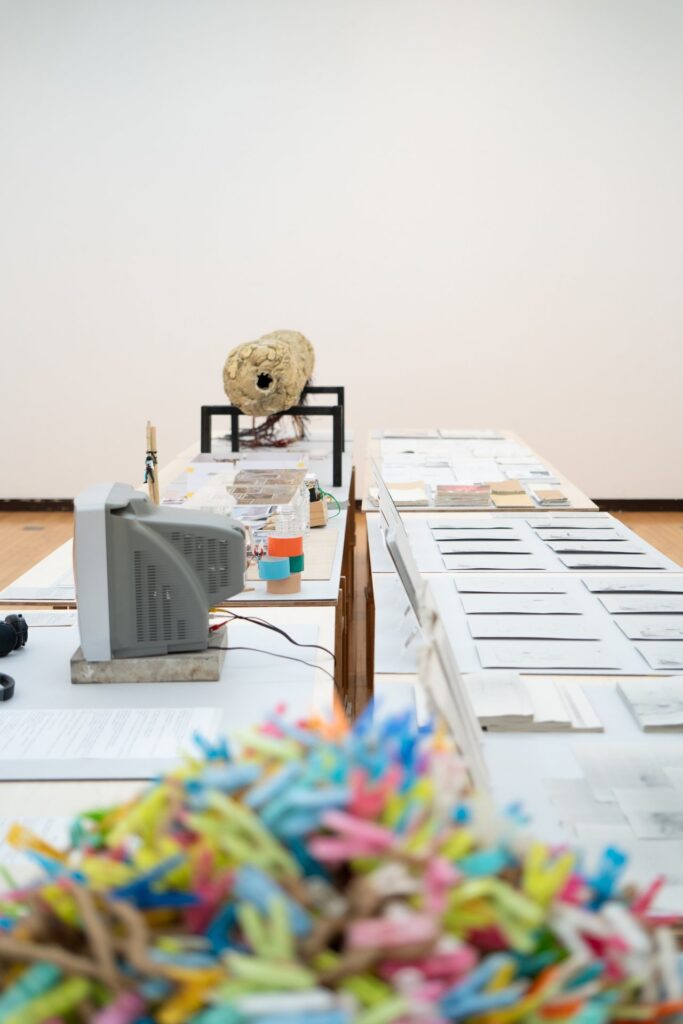
An exhibition, planned and organized by TAIRA Yuichiro and KUBOTAOGUISS Tomohiro, that presented for the first time materials from the studio of NAKANISHI Natsuyuki (1935–2016), donated in autumn 2025 to the Center of Creative Inheritance for the Future, Tokyo University of the Arts. Through more than 9,000 drawings as well as photographs, film, templates, manuscripts, letters, and books from his library, it introduced traces of Nakanishi’s making and thinking.
On the first floor, “Traces of the Hand,” materials produced “before” and “after” Nakanishi’s making were arranged; on the second floor, “Treading the Traces,” the exhibition presented responses that artists and researchers produced by browsing, selecting, and editing the archive.
For display furniture, about 300 box stools from within the university were borrowed and returned to their original use after the exhibition—a decision made so as not to leave a new burden of storage behind.
After an artist is gone, who keeps, preserves, makes public, and uses the works and materials, and on what judgments? By opening the archive at Tokyo University of the Arts—a place of education and making where Nakanishi once studied and taught—the exhibition reconsidered how such inheritance might take place.
平諭一郎と久保田荻須智広が企画・運営を担い、2025年秋に東京藝術大学未来創造継承センターへ寄贈された中西夏之(1935–2016)のアトリエ旧蔵資料を初公開した展覧会。9,000枚を超えるドローイングをはじめ、写真、映像、型紙、手稿、書簡、蔵書などをとおして、中西の制作と思考の痕跡を紹介した。
会場1階「制作(てずから)の跡」では、中西の制作の「前」と「後」に生み出された資料を構成し、2階「跡を踏む」では、美術作家や研究者がアーカイヴを閲覧し、選択・編集することから生まれた応答を展示した。
什器には学内にある箱椅子約300個を借り、会期後にもとの用途へ返している。展示のあとに新たな保管の負担を残さないための判断である。
作家の不在後、作品や資料を誰が、どのような判断のもとで遺し、保存し、公開し、活用していくのか。本展は、中西がかつて学び、教鞭をとった東京藝術大学という教育・制作の場にアーカイヴを開くことで、その継承のあり方を問い直すものである。
2026 | Artworks That Cannot Be Repaid: Toward a Design for the Death of the Work / 返済不能な作品たち——その死の設計へ向けて
Critical essay, Bijutsu Techo (web), runner-up, the 17th Bijutsu Techo Art Criticism Award, 2026, English title provisional芸術評論、美術出版社(美術手帖)「第17回芸術評論募集」次席、英題は仮Full text (Japanese) / 全文 Award announcement / 選考結果
This essay reconsiders the way artworks behave as “debts”—continuing to demand maintenance, judgment, and responsibility—as a given condition shared by artistic production and institutions, and attempts to redesign artistic practice by working backward from that condition. Drawing on David Graeber’s theory of debt, it reveals a structure in which, even after a work has been acquired or accessioned, the “end of response” is erased from institutions and demands for maintenance keep accumulating. Through analyses of cases of disposal and deterioration, it examines the mechanism by which works are preserved as value yet left suspended without anyone to take them on, and discusses how their debt-like character continues to be externalized at sites of production. Referring to Hanna B. Hölling’s understanding of the archive as the basis of a work’s identity, it then proposes building conditions of judgment, ranges of variability, and end conditions into the work as its components, so that “designing the death of the work,” rather than prolonging its life, is taken on as artistic practice. When a judgment not to take on too much is internalized in making, how might the speed and scale of production that institutions have demanded, and the ethics of the division of labor premised on “keeping,” be reorganized? The essay asks about this possibility.
Selected as runner-up in the 17th Bijutsu Techo Art Criticism Award (organized by Bijutsu Shuppan-sha); the full text was published on the Bijutsu Techo website (2026).
本稿は、芸術作品が維持管理・判断・責任を要求し続ける「負債」として振る舞うことを、制作と制度に共通する所与の条件として捉え直し、その条件から逆算して制作実践を再設計する試みである。デヴィッド・グレーバーの負債論を手がかりに、作品が所有・収蔵された後も「応答の終わり」が制度から消去され、維持の要求が累積していく構造を明らかにする。作品廃棄や劣化の事例分析を通じて、価値としては保存されながら引き受け主体を欠いたまま宙吊りになるメカニズムを検討し、さらに制作現場において負債性が外部化され続ける過程を論じる。そのうえで、ハンナ・ヘーリングの「アーカイブとしての作品」概念を参照し、判断条件・可変範囲・終末条件を作品の構成要素として組み込むことで、延命ではなく「作品の死の設計」を制作実践として引き受けることを提案する。引き受けすぎない判断を制作に内在化するとき、制度が要請してきた制作の速度と規模、「残す」ことを前提とする分業倫理はいかに組み替わりうるのか——本稿はその再編可能性を問う。
第17回芸術評論募集(美術出版社・美術手帖主催)で次席に選ばれ、美術手帖ウェブ版で全文が公開された(2026年)。
2025– | Assessment of Inheritance / 相続のアセスメント
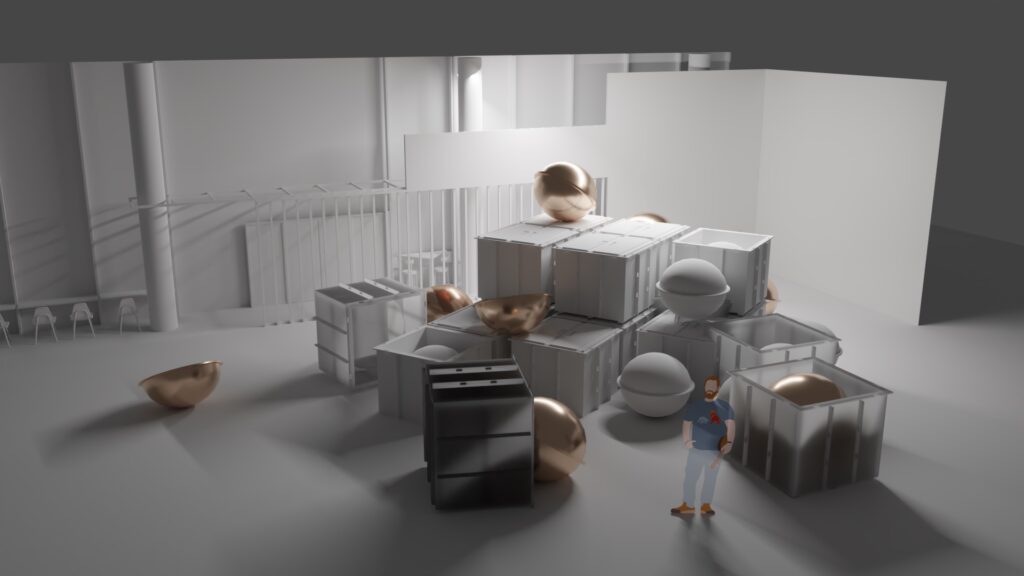

A sculptural project that asks who takes on material as debt, and how it continues to be managed. Taking as its subject soil contaminated by the Fukushima Daiichi nuclear accident, it envisions that material being “inherited” by museums and art institutions as an artwork. The plan was presented at TAAP (Tokyo Artist Accelerator Program) in 2025, and the work has been in production since then.
負債としての物質を、誰が、どのように引き受け、管理し続けるのかを問う彫刻のプロジェクト。福島第一原発事故に由来する汚染土壌を主題に、それを美術作品として美術館や芸術制度に「相続」させることを構想している。2025年にTAAP(Tokyo Artist Accelerator Program)でプランを発表し、制作を進めている。
2025 | Temporary Disposal Inventory / 一時的廃棄目録
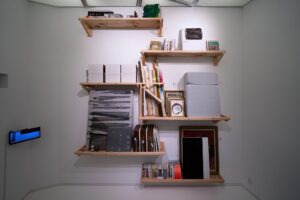
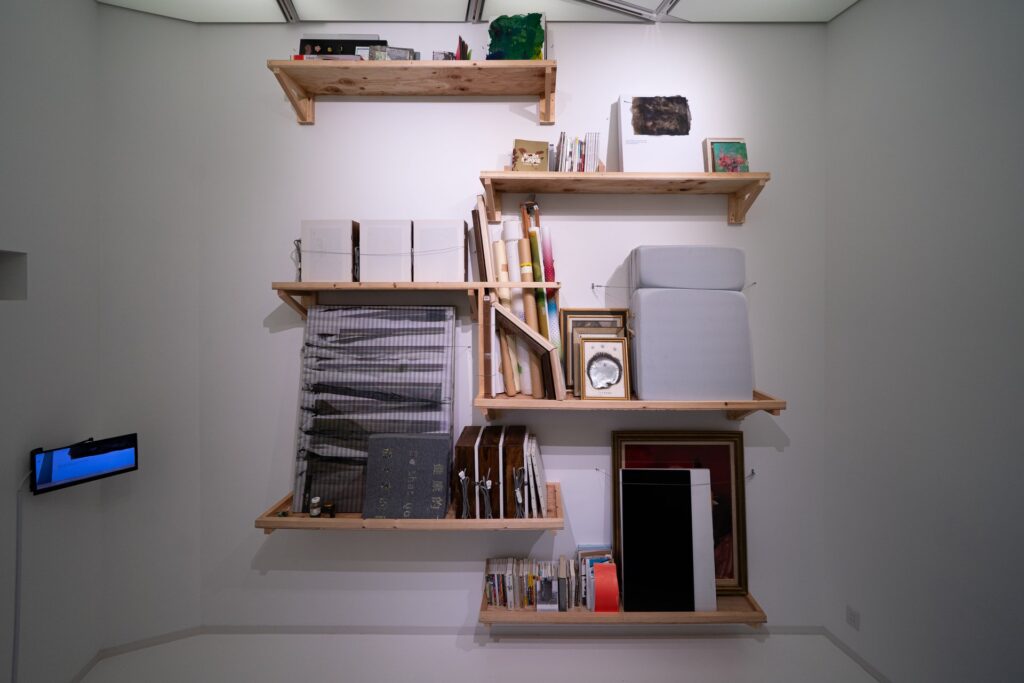
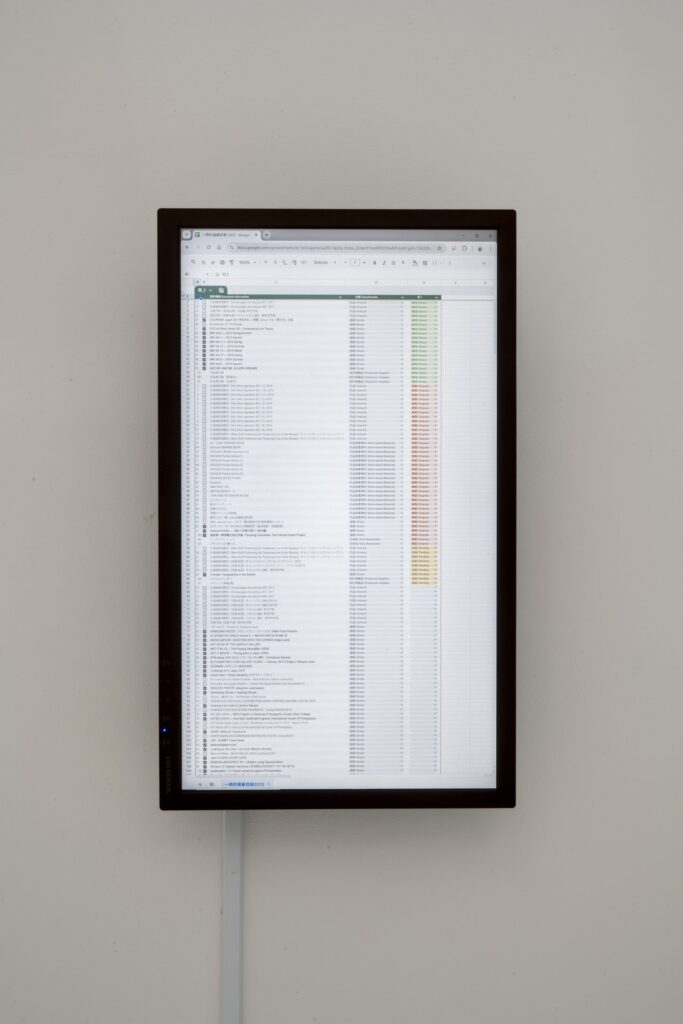
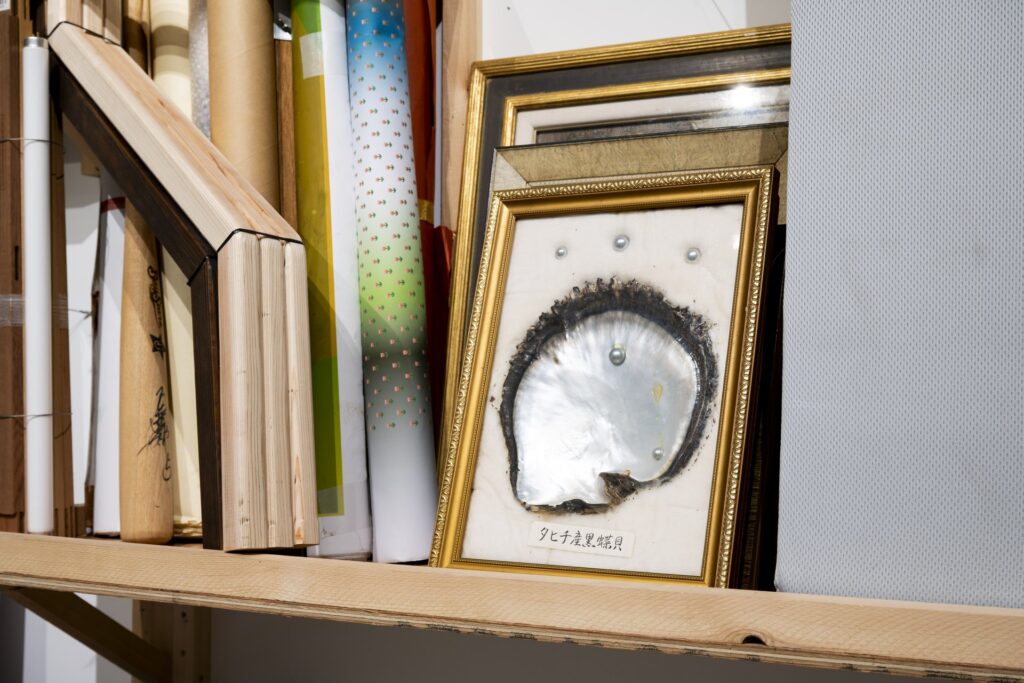

A restaging of the 2017 graduation work Temporary Disposal Inventory, presented about eight years later in the solo exhibition “R: 5 out of ?”. Family belongings and the artist’s own past works accumulated in their living space were brought into the gallery, then sorted and rearranged throughout the exhibition period. Against the background of a change in living situation, the artist used the exhibition as a place for tidying up and faced the same task once again. The “R” of the title stands for reuse, rearrangement, reconstruction and the like; “5 out of ?” expresses the incompleteness and provisional nature of the work. The work asks, from the overlap between life and practice, how artworks and other made things are kept or left behind over time, and whether they function as assets or remain as debts.
2017年の卒業制作《一時的廃棄目録》を、約8年ぶりに個展「5/?のR」で再演したもの。作家の生活空間に溜まった家族の物品や自身の過去作品を展示室に持ち込み、会期中に選び分け、並べ替えていく。生活環境の変化を背景に、展覧会を片づけのための場として使い、同じ課題にあらためて向き合った。展覧会名の「R」は再利用・再配置・再構築などを指し、「5/?」はその作業の不完全さと暫定性を表している。芸術作品や作られたものが時間の中でどう残され、あるいは残されずにいくのか、それが資産として働くのか、負債として残るのかを、生活と制作の重なりから問う。
2024 | in search of lost figures / その姿の探し方
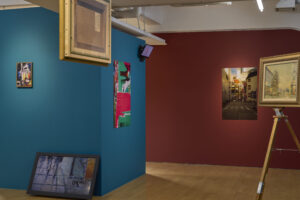

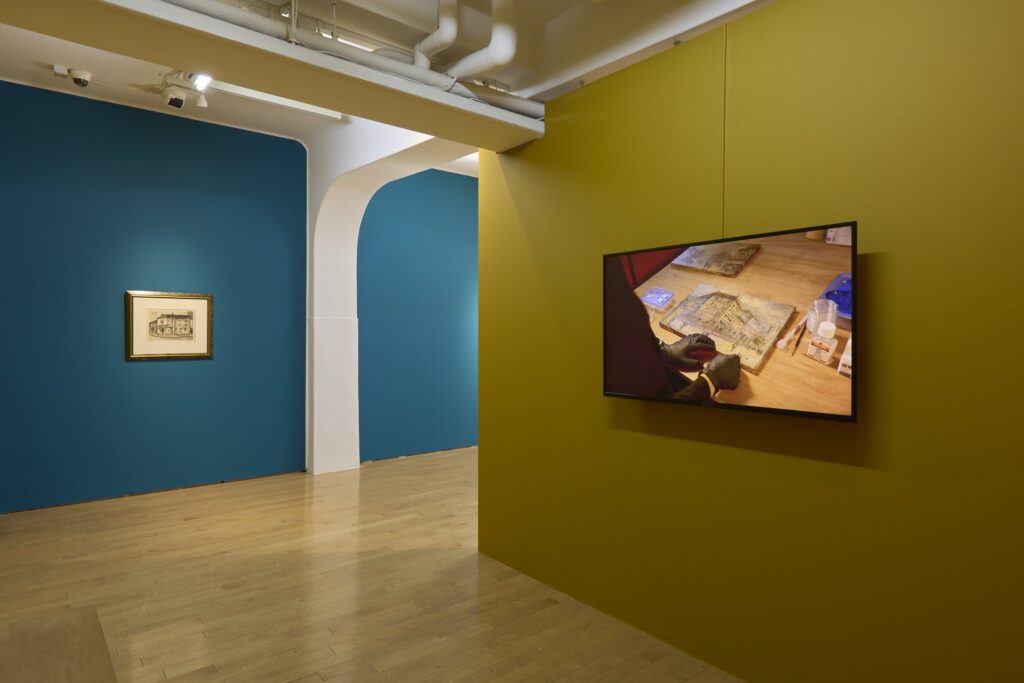
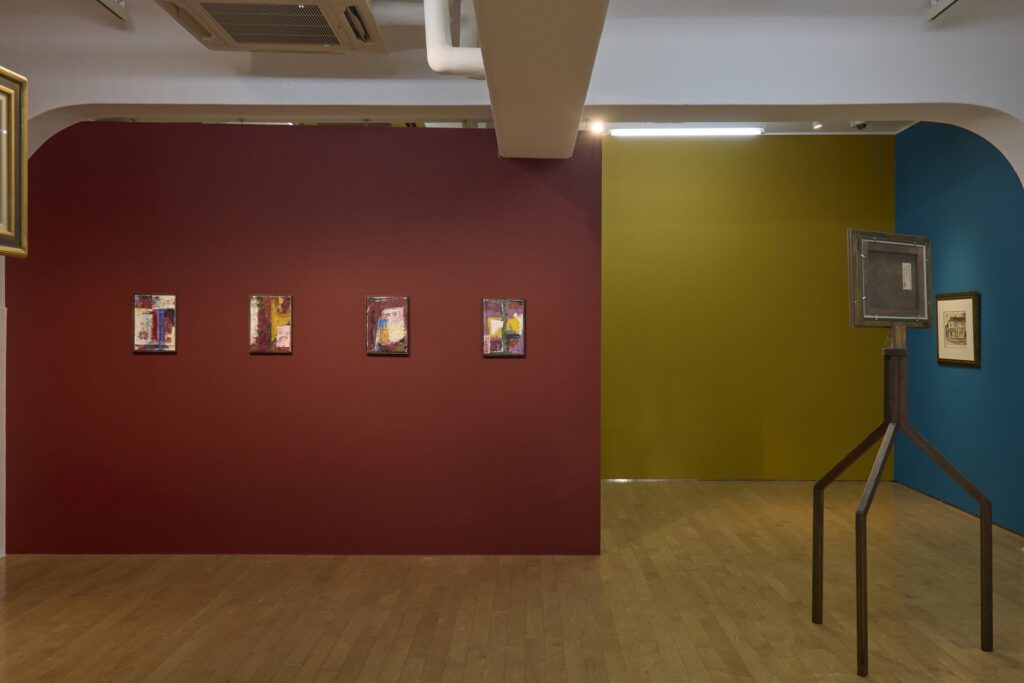
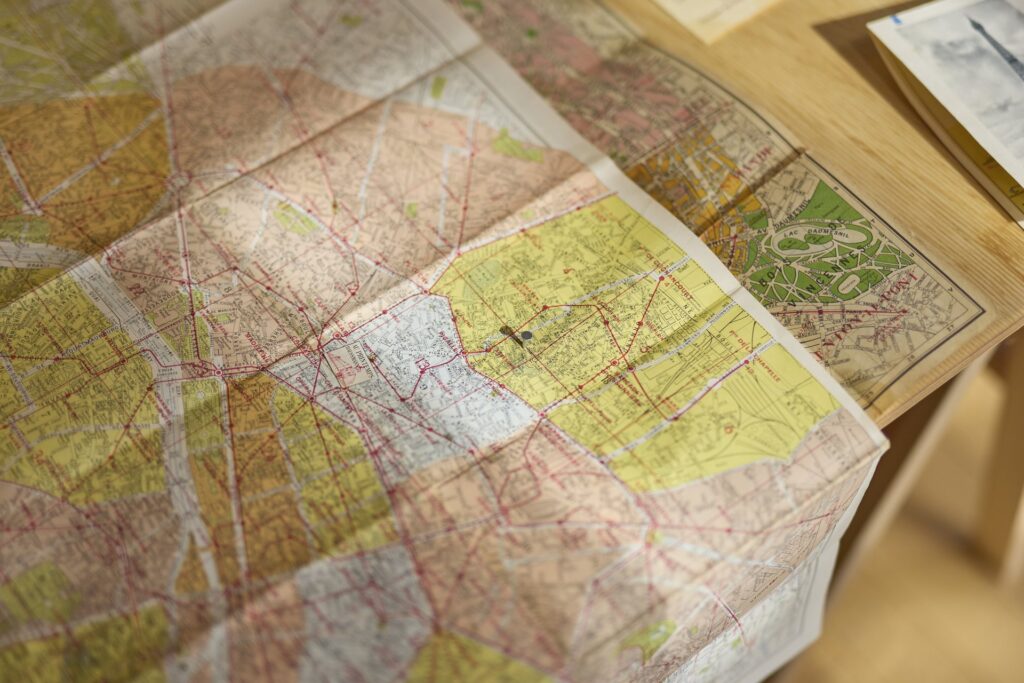
Curated by COM_COURSE (KUBOTAOGUISS Tomohiro and YOSHIMURA Shin), an exhibition composed of prints by OGUISS Takanori, a group of forgeries bearing his name, and works by KUBOTAOGUISS and Yoshimura. The forgeries on view came from the KUBOTAOGUISS family’s former holdings and from online marketplaces. Rather than imitations of his style, they appear to be paintings by other hands to which only the signature was later added.
Taking as its starting point the landscapes of OGUISS Takanori, a painter active in 20th-century Paris, the exhibition reconstructs fragmented histories of Japanese and French art as a space, grafting personal memories and fiction onto them. As the artists traced his footsteps, their search often crossed into the realm of fiction, its focus slipping toward figures whose historical outlines remain uncertain.
Does a name guarantee authenticity, or is it the name that produces fiction? Rather than presenting definitive historical facts, the exhibition shows a landscape of the past opened up as multiple possibilities.
Selected for OPEN SITE 9 (FY2024), an open call organized by Tokyo Arts and Space.
COM_COURSE(久保田荻須智広・吉村真)によるキュレーションのもと、荻須高徳の版画作品、荻須高徳名義の贋作群、および久保田荻須・吉村それぞれの作品で構成された展覧会である。展示に用いる贋作は、久保田荻須の家族の旧蔵品やオンラインマーケットで入手したものである。作風を寄せた模作ではなく、おそらく別人の手になる絵画に後から署名のみが付されたと考えられるものだ。
20世紀のパリを舞台に活躍した画家・荻須高徳の風景画を起点に、個人的な記憶とフィクションを接ぎ木しながら、日仏の断片的な美術史を空間として再構成する。その足跡の調査を進めるうち、作家たちの探索はしばしば虚構の領域へと越境し、歴史的輪郭の定かでない人物へと焦点が滑っていく。
名前が真正性を保証するのか、それとも名前こそが虚構を生産するのか——確定的な歴史的事実を提示するのではなく、複数の可能性として開かれた過去の景観を示す試みである。
トーキョーアーツアンドスペース主催の公募 OPEN SITE 9(2024年度)採択企画。
2023 | 12 White Inventories
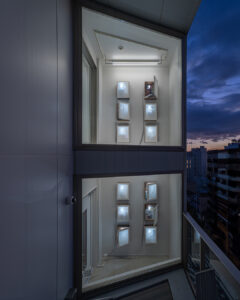
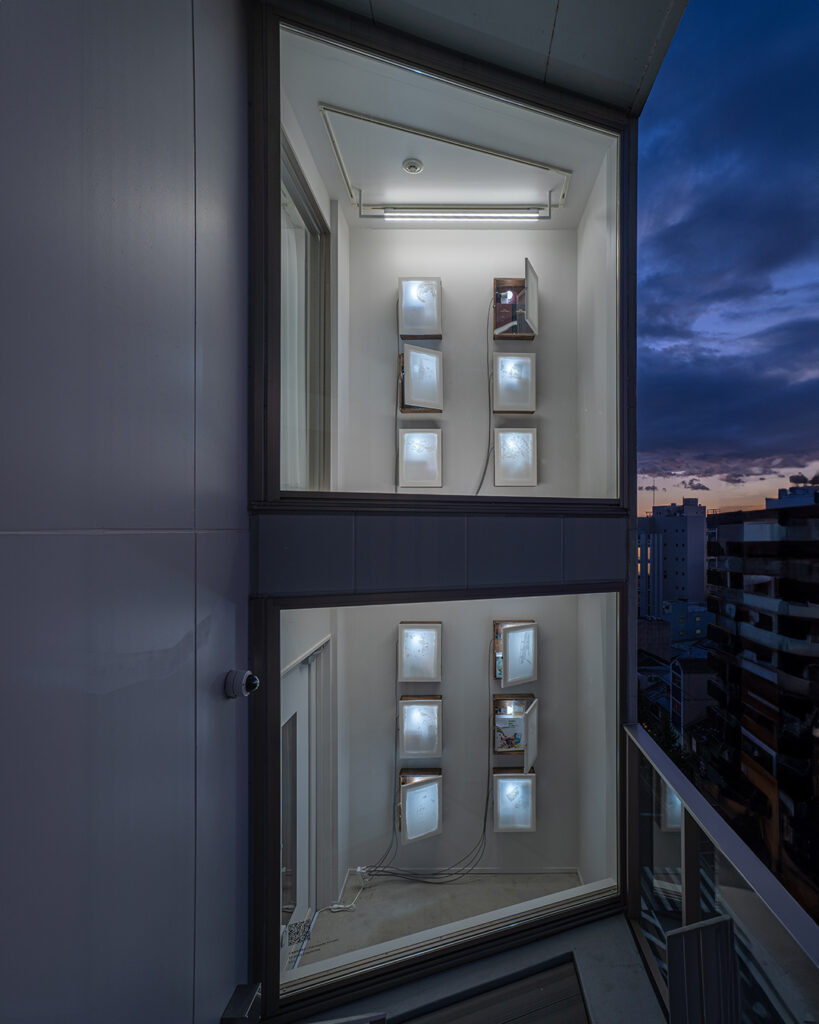
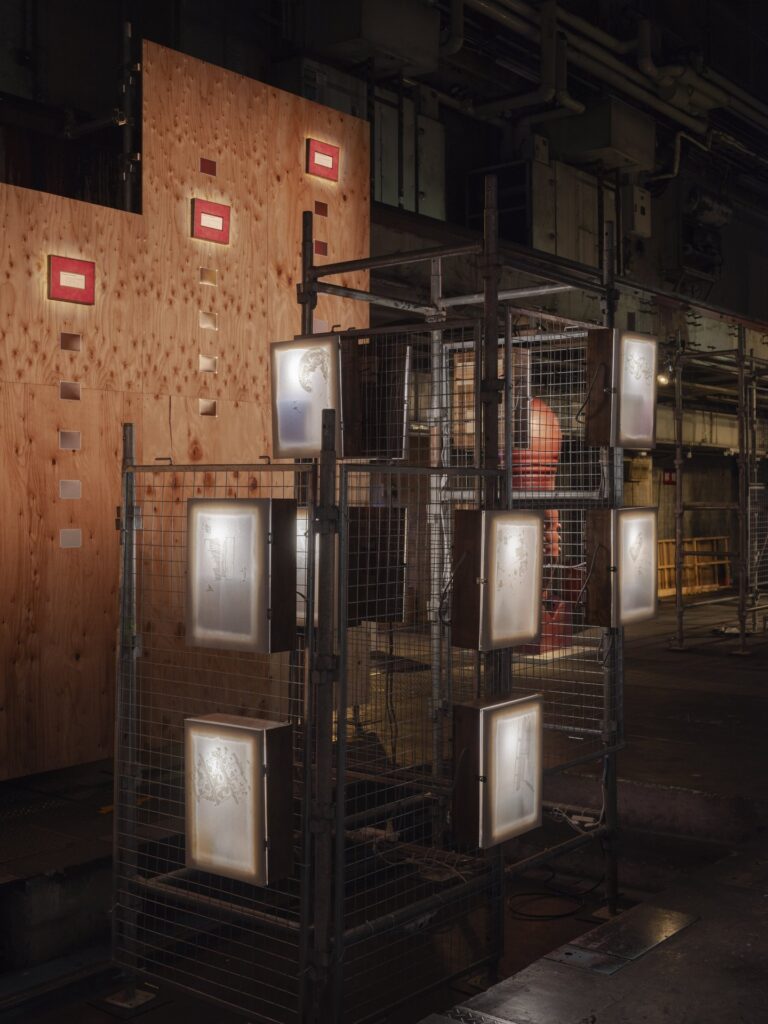
The artist assumes responsibility for the storage and management of another person’s collection, presenting 12 hand-crafted white storage boxes and a management database made for that purpose as a work of art. The collection is a commemorative coin collection assembled over many years by the artist’s grandfather. The storage boxes—a set of 12—are handmade objects in which canvas is stretched over painted wood and combined with embroidered fabric and metal fittings. Each box bears a serial number and the artist’s signature on its back, and a certificate of authenticity was made for each of the twelve.
The act of housing and administering a collection is a relationship that demands ongoing maintenance and judgment from its owner. This work comes into being through the artist’s taking on that obligation and burden. After the owner’s death in 2024, and in keeping with the owner’s wishes, the boxes have been offered one at a time since ARTISTS’ FAIR KYOTO 2025. Buyers are asked to inherit this legacy together with the artist, in the form of an artwork. For this reason, not all of the boxes will be sold; some will remain in the artist’s hands. Showing what has been collected cannot be separated from continuing to hold it in trust.
他者のコレクションの保管と管理を作家が代行し、そのために制作した12点の白い収納箱と管理データベースを、作品として提示する。対象は、祖父が長年にわたって収集してきた記念貨幣のコレクションである。収納箱は、塗装された木材の前面にキャンバスを張り、刺繍生地と金具を組み合わせた手仕事によるもので12個1組。箱の裏には一つずつ通し番号と署名を入れ、作品証明書も12枚それぞれに作成した。
コレクションの収蔵・管理は、所有者に継続的な維持と判断を求め続ける関係である。本作は、その義務と負担を作家が引き受けることで成立する。2024年に持ち主が亡くなったのち、2025年の ARTISTS’ FAIR KYOTO から、その意向に沿って12個を一つずつ販売している。購入者には、作者とともに、この遺産を作品という形で相続してもらう。そのためすべては販売せず、一部は作家の手もとに残す。収集された物を見せることと、それを預かり続けることが切り離せない。
2023 | Casting QueenMabs / 鋳物のマブ
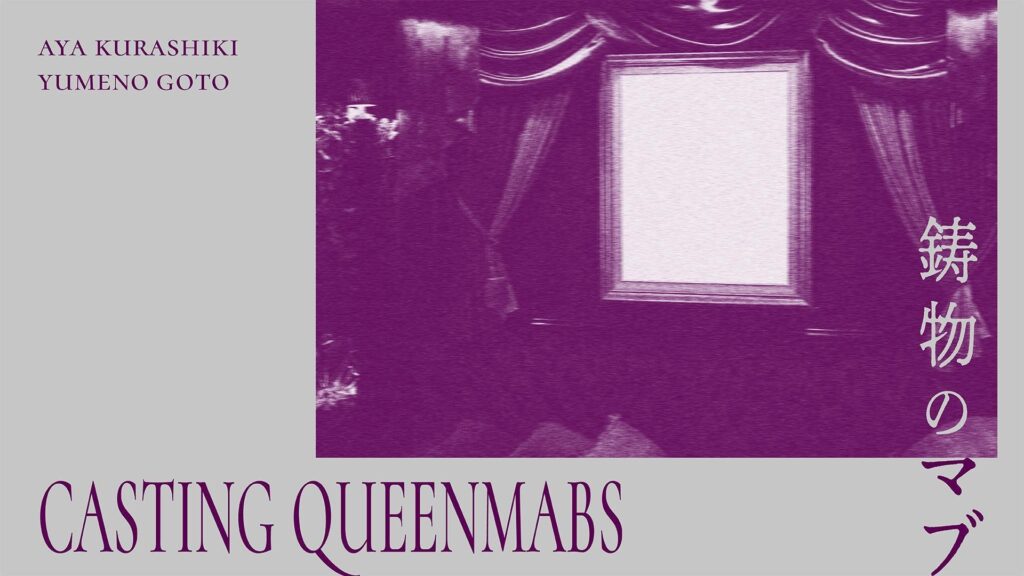
A two-person exhibition of KURASHIKI Aya and GOTO Yumeno, held at Club Ouzoku, a nightclub near Bashamichi in Yokohama. Drawing on their own experiences and interviews with the club’s hostesses, and taking as their motif Queen Medb (Mab) of Celtic myth, associated with intoxication, the two presented their first collaborative work, painted in relay like an exchange of letters. Works questioning the preconceptions directed at women and the structures of society were placed in the club’s lavish interior, far removed from a white cube. On Sundays and holidays, outside business hours, the club was opened to the public free of charge without hostesses present; during business hours, visitors could also view the works while being served.
横浜・馬車道近くのナイトクラブ「Club 王族」で開いた、倉敷安耶と後藤夢乃の二人展。二人は、自らの経験とキャストへの聞き取りをもとに、ケルト神話で酩酊を冠する女王メイブ(マブ)を動機として、往復書簡のように描き継いだ初めての共同制作を発表した。女性に向けられる先入観や社会の構造を問う作品を、ホワイトキューブとはまったく異なる、豪奢な内装の店内に置いた。営業時間外の日曜・祝日にはキャストのいない店内を無料で公開し、営業中にはキャストの接客を受けながら鑑賞することもできた。
2022– | Unnamed Temporarily / 一時的未題
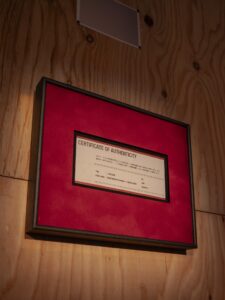
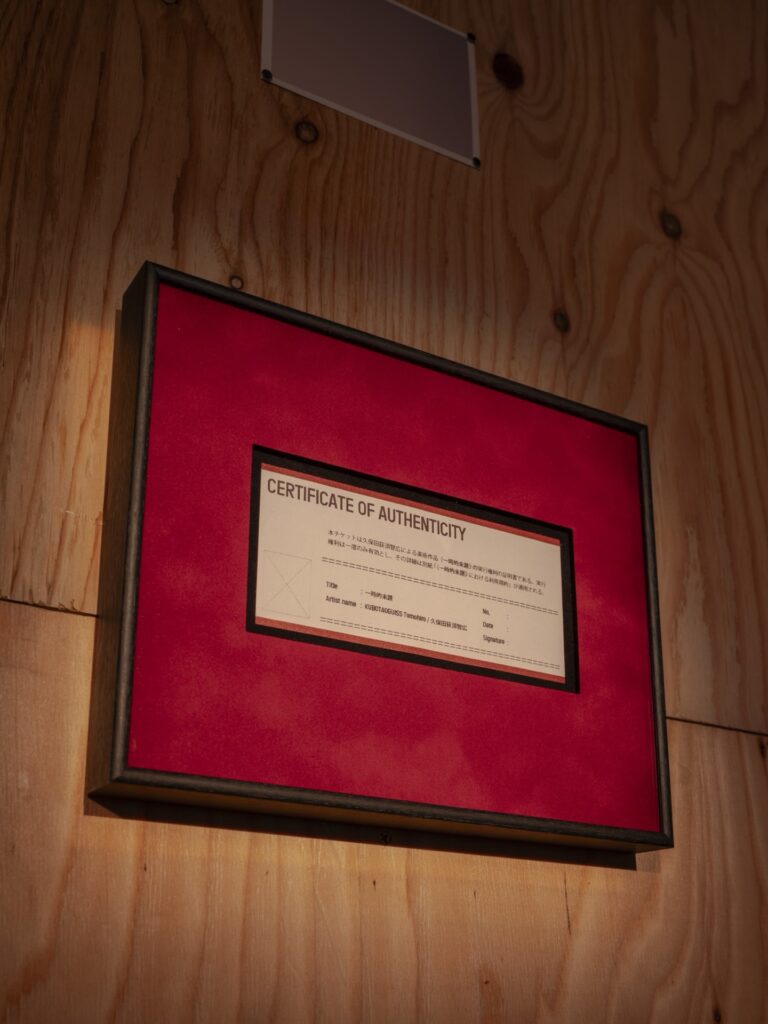
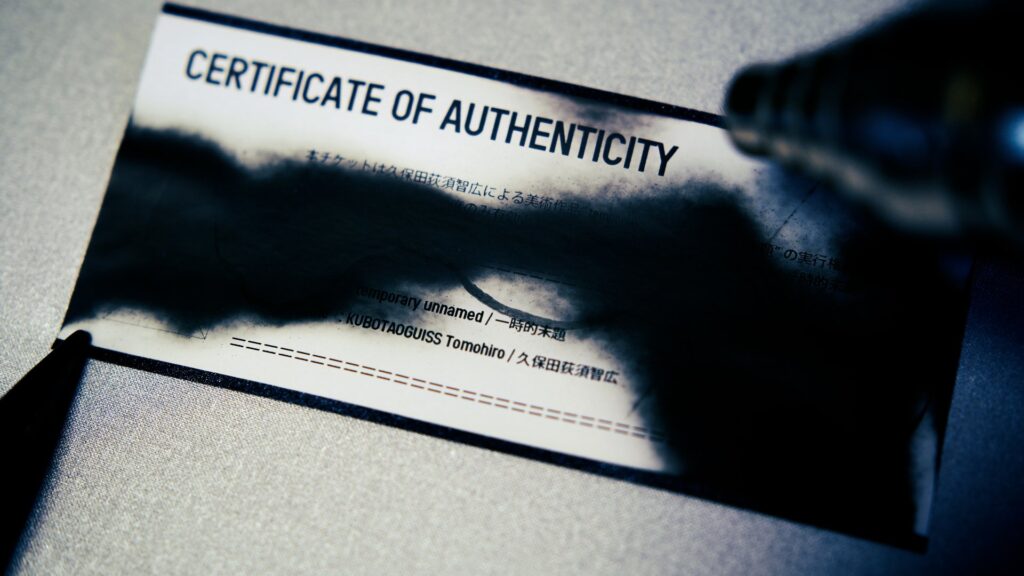
An artwork produced by reorganizing, relocating, rearranging, or otherwise acting upon objects belonging to any given location. The purchaser acquires not the work itself but the “right to make,” and receives a rights ticket and certificate. The rights holder may, with the artist’s consent, exercise the right to have the work realized at a designated location. Expenses, and the restoration of the site afterward, are borne by the person exercising the right. Upon realization, an anagram of the site’s name becomes the title for that state of the work, and the thermal-paper certificate is blackened with an iron. Up to five rights may be issued at any one time, each assigned a serial number.
What is handed over is not an object but the authority to bring a work into being, and the judgment of whether or not to exercise it.
任意の場所にて、その場に属する諸物品の整理・移動・模様替え等により制作される芸術作品。購入者は作品ではなく「制作権」を取得し、権利チケット兼証明書を交付される。権利保有者は作者との合意のもと権利を行使し、指定の場所で制作を実行させる。経費と、実行後の原状回復は、権利を行使する者が負担する。実行された際は、その現場の名称のアナグラムをその状態の名称とし、感熱紙の証明書にアイロンをかけて黒くする。制作権は一度に最大5つまで、通し番号を付して発行される。
譲渡されるのは物ではなく、制作を発生させる権限と、それを行使するか否かの判断である。
2022 | eat ro ekyu
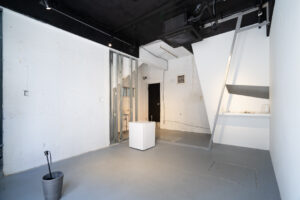

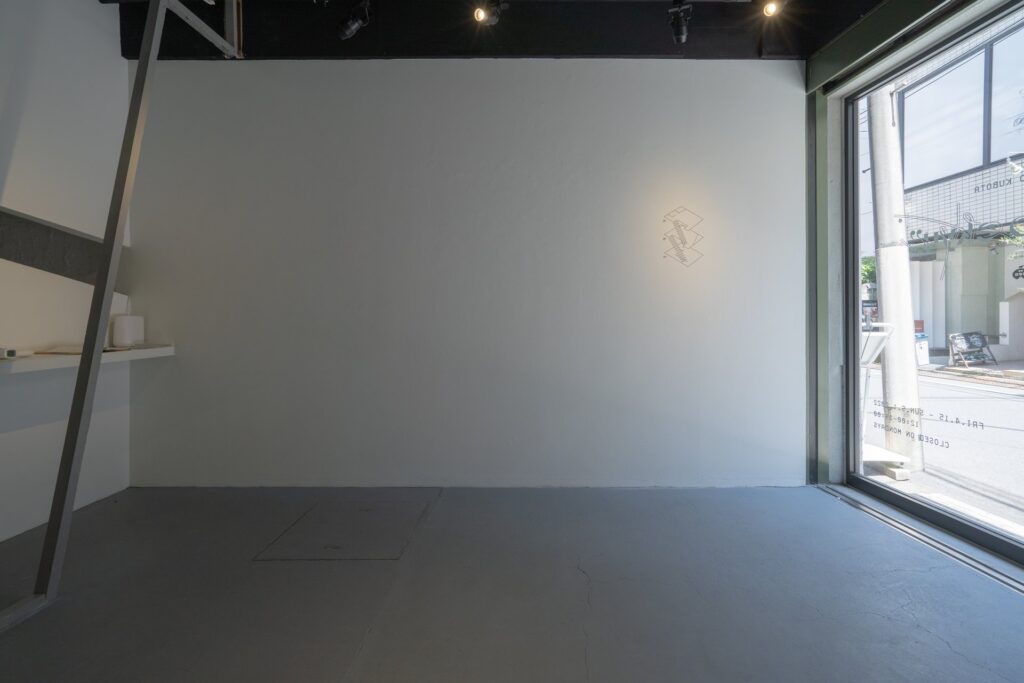
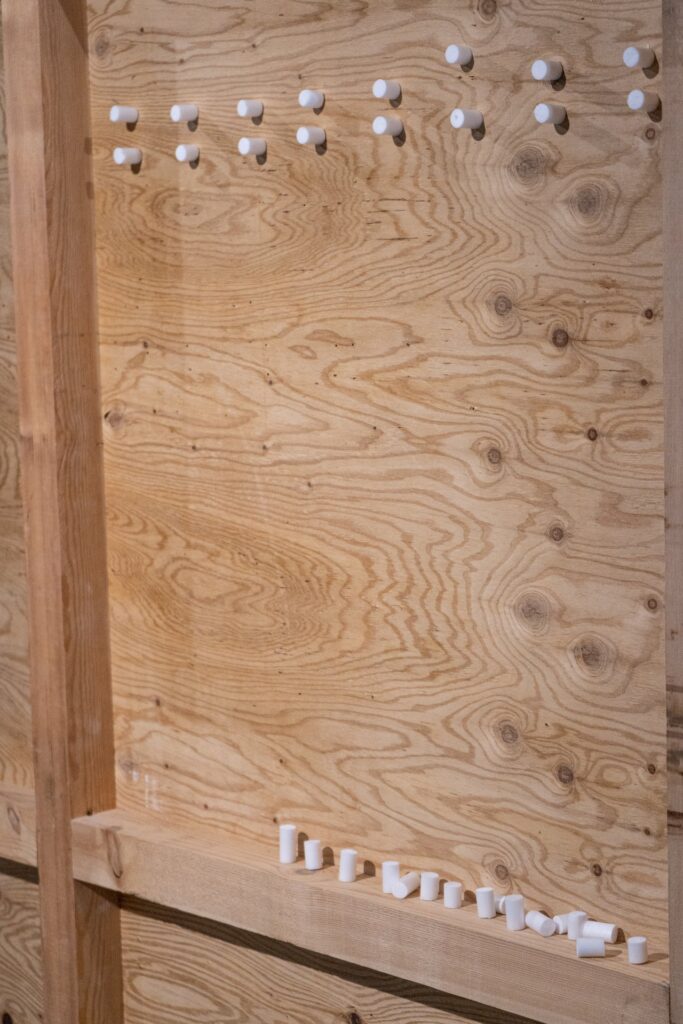
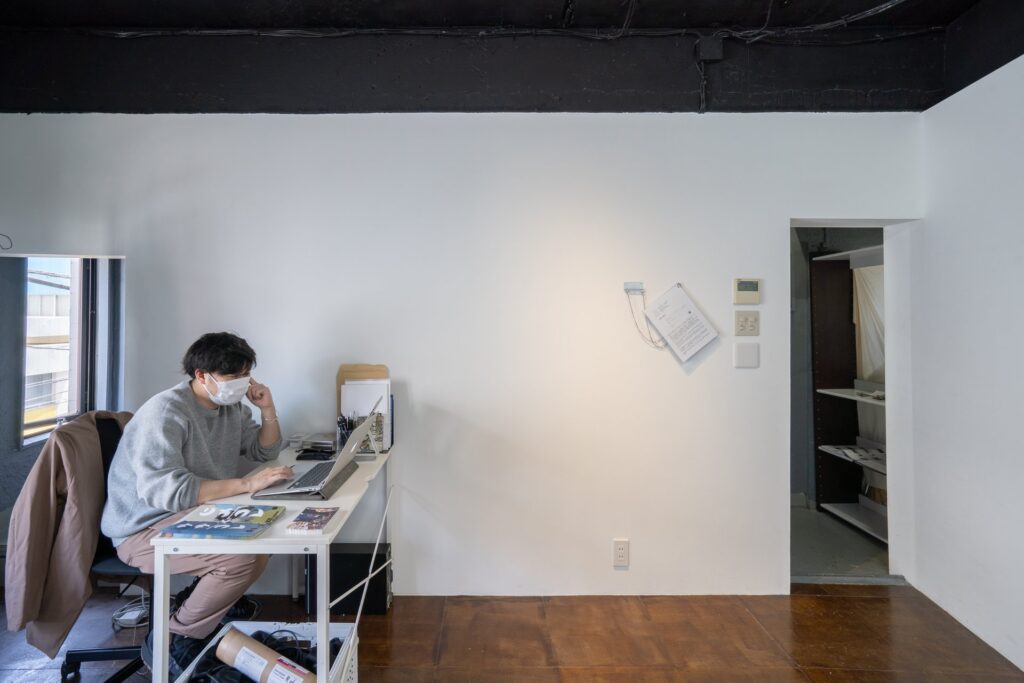
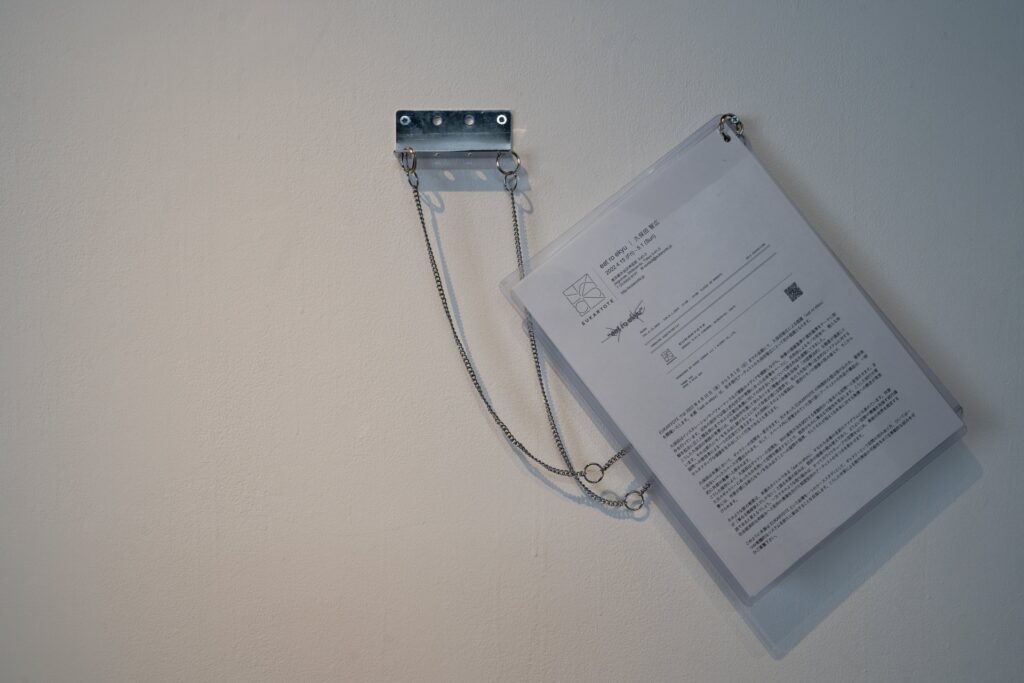
An installation that moved the things ordinarily kept in the commercial gallery serving as the venue—artworks, equipment, and furnishings—out of the space, removed its walls, and temporarily changed its layout.
Exhibitions usually come into being by bringing something in. This work came into being by subtracting from what was already there and rearranging it. The artist’s exercise of authority appears not as production but as subtraction.
Treating the artwork not as wealth but as a debt, it is made without making anything new. Realized as one form of the Unnamed Temporarily series; the title is an anagram of the venue’s name.
会場となったコマーシャルギャラリーに普段置かれているモノ——作品・備品・什器——を会場の外へ運び出し、壁面を取り除き、レイアウトを一時的に変更したインスタレーション。
展覧会は通常、何かを運び込むことで成立する。本作はすでにそこにある物から差し引き、配置を換えることで成立させた。作者の権限行使が、生産ではなく減算として現れる。
作品を富ではなく負債として扱い、新たに何も作らずに制作する。《一時的未題》シリーズの一形態として実施され、作品タイトルは展示会場名のアナグラムである。
2024 | tale as bongmoism
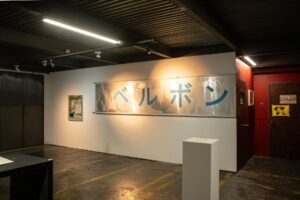
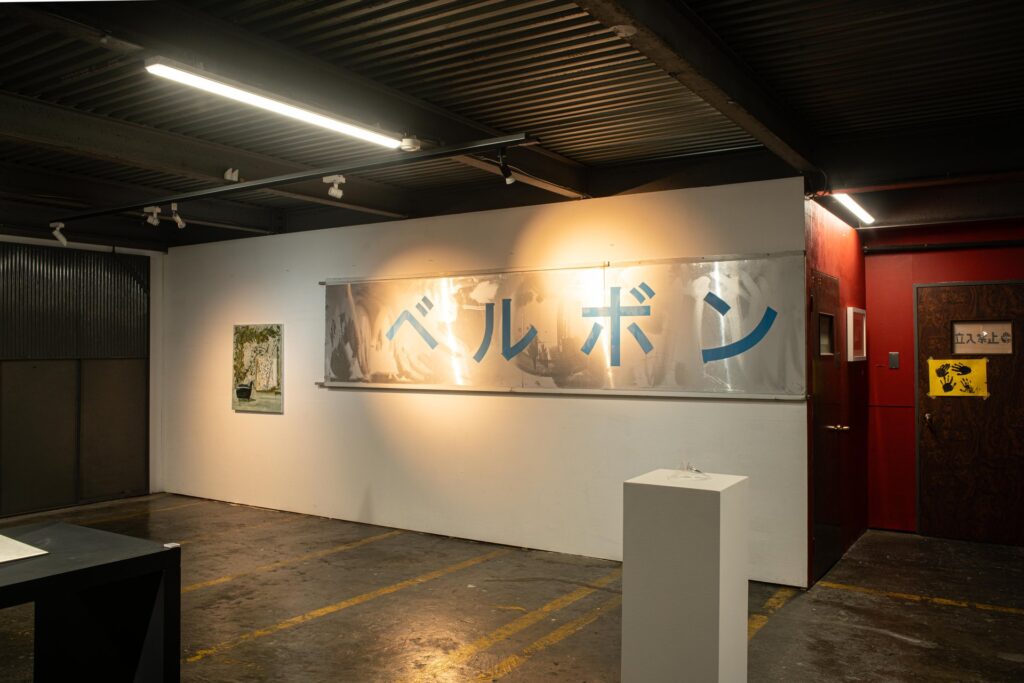
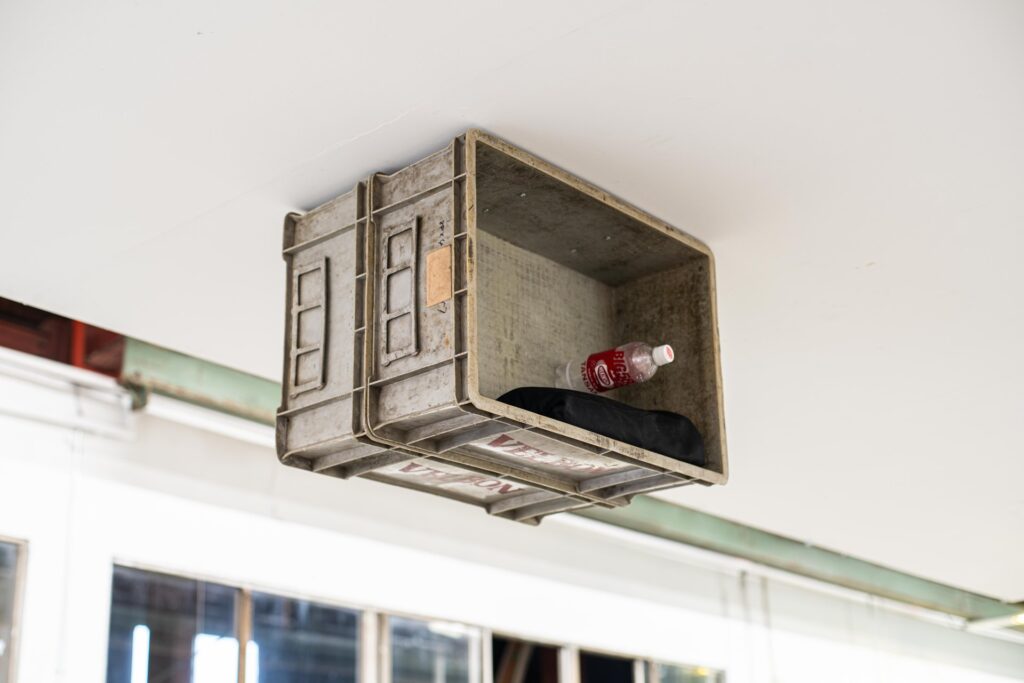
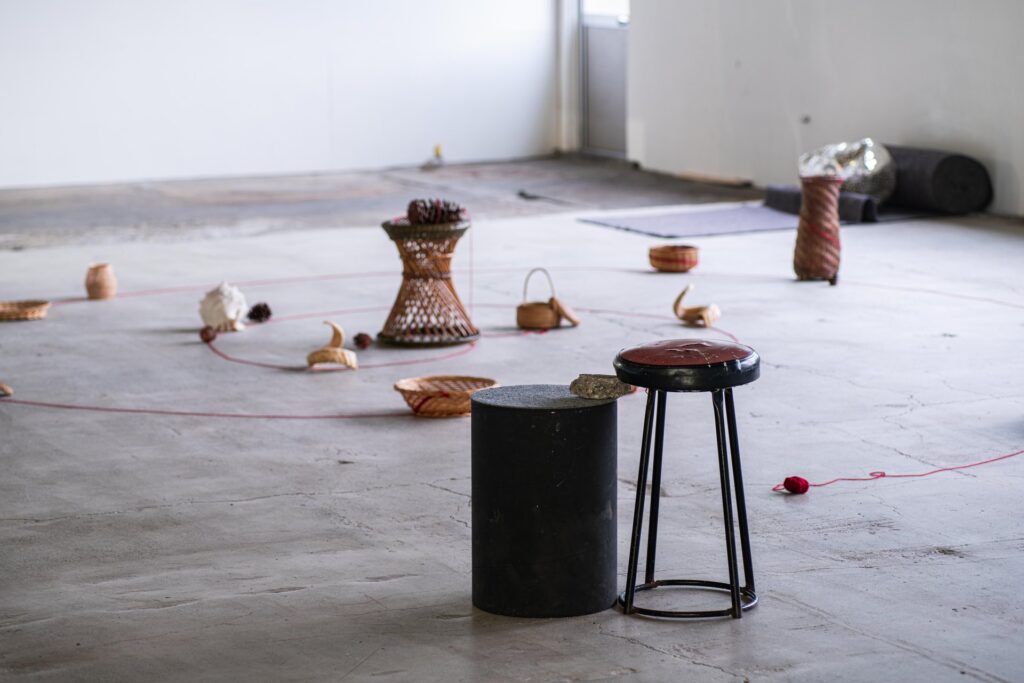
The second realization of Unnamed Temporarily. In the group exhibition “Medium and Dimension: Maze” (curated by NAKAO Takuya), objects at the venue, GASBON METABOLISM, were sorted, relocated, and rearranged. The title is an anagram of the venue’s name.
《一時的未題》の2回目の実行。グループ展「メディウムとディメンション: Maze」(キュレーション:中尾拓哉)で、会場の GASBON METABOLISM にある物品を整理し、移動し、配置を換えた。作品タイトルは会場名のアナグラムである。
2024 | ate ru ekyo
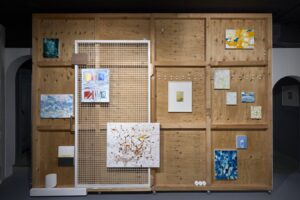
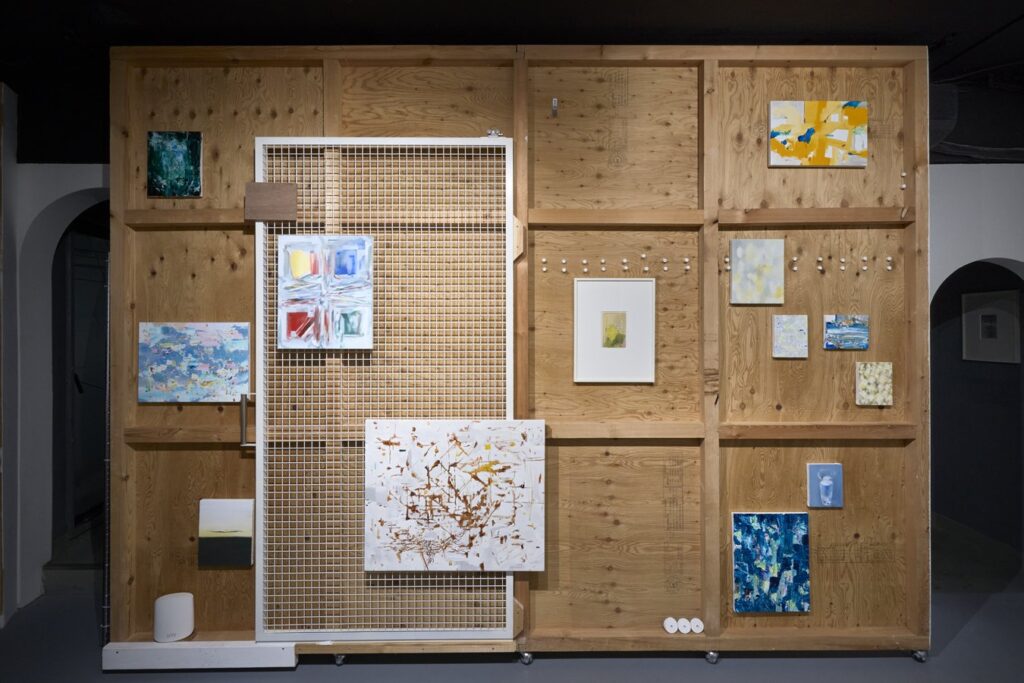
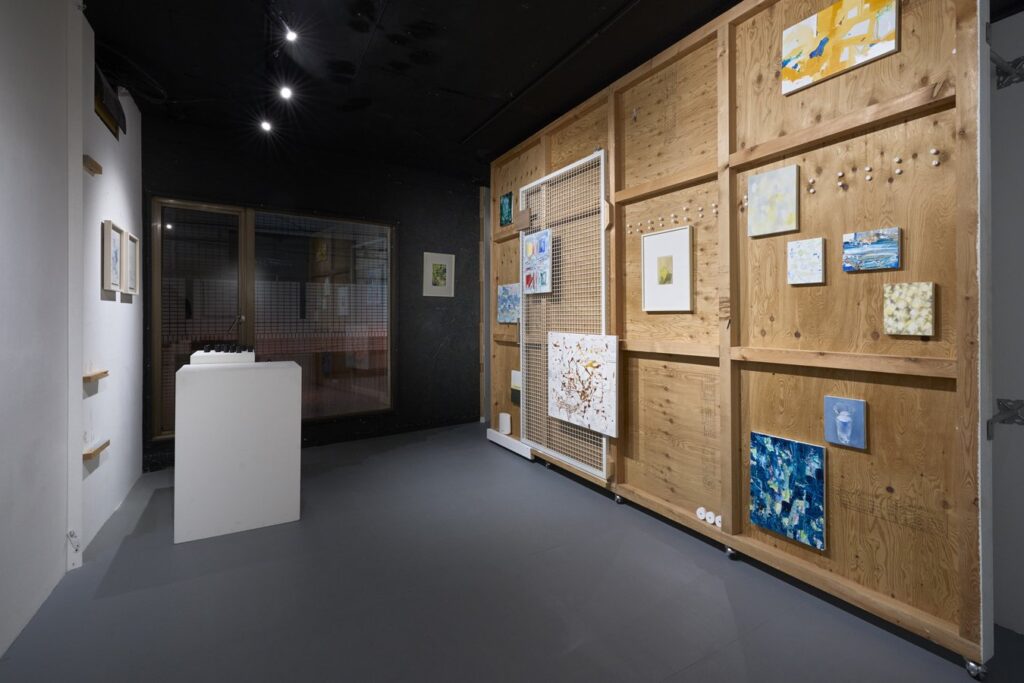
The third realization of Unnamed Temporarily. In the three-person exhibition “practice_02: repeat,” the artist reconfigured eat ro ekyu, shown at the same EUKARYOTE two years earlier, while intervening in the supports of the three artists’ exhibition space. The title is an anagram of the venue’s name.
《一時的未題》の3回目の実行。三人展「practice_02: 繰り返す」で、2年前に同じ EUKARYOTE で発表した《eat ro ekyu》を組み直しつつ、三人の展示空間の支持体に介入した。作品タイトルは会場名のアナグラムである。
2022 | (((((,
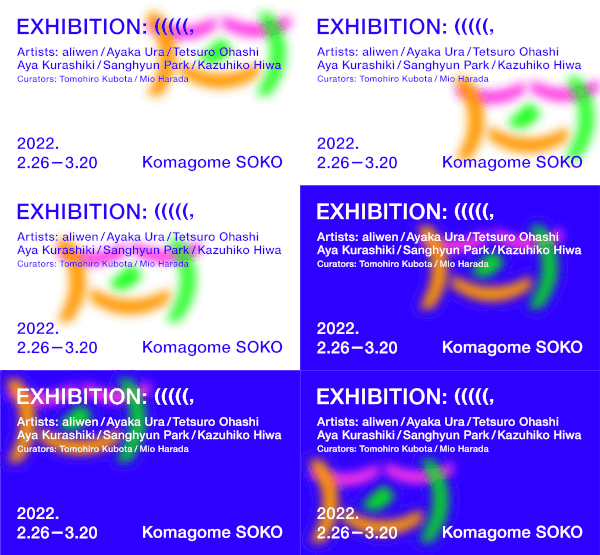
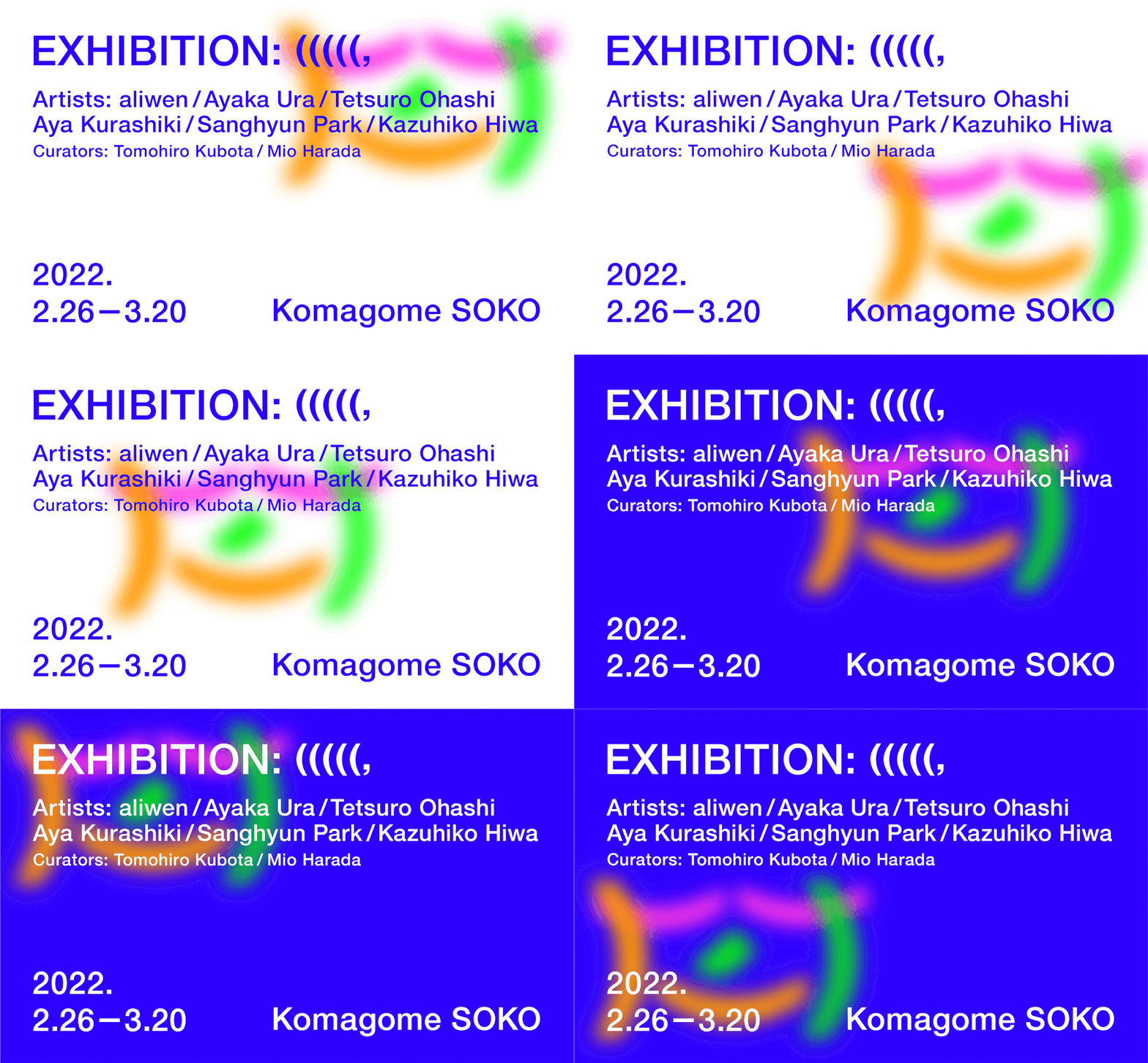
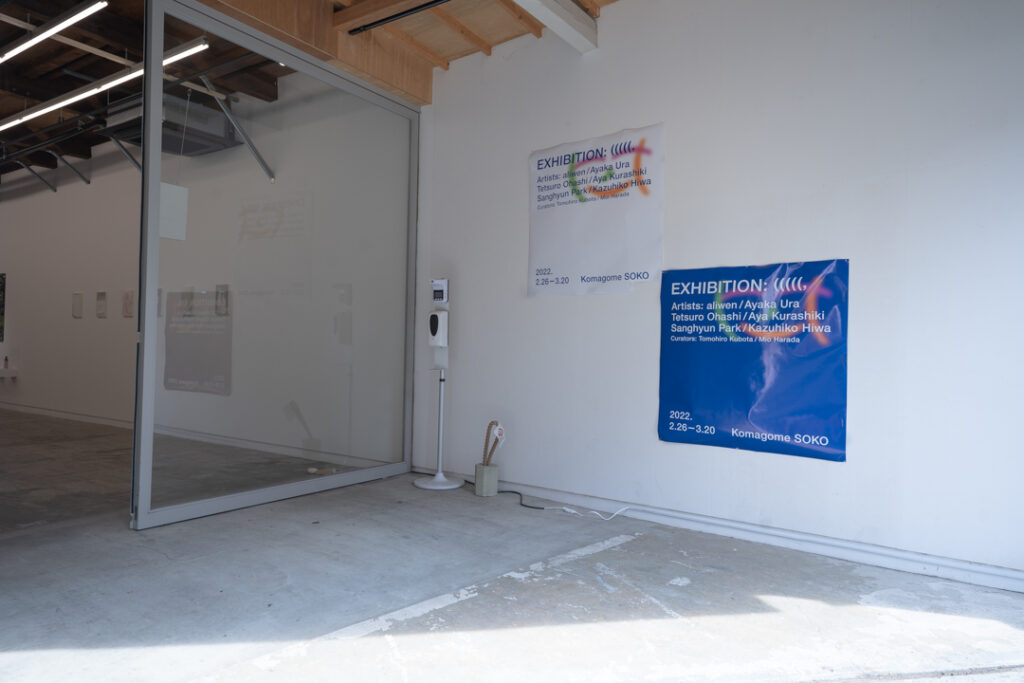
A group exhibition at Komagome SOKO, co-curated with HARADA Mio. “(((((,” is read, for convenience, as kakko tojinai (“leaving the brackets unclosed”): a coined word of neatly lined-up brackets followed by a comma, carrying the sense of being open and of not drawing conclusions. With six artists approaching gender, sexuality, nationality, the body, and contemporary art itself, the exhibition sought to rethink social norms taken for granted. Artists: aliwen, URA Ayaka, OHASHI Tetsuro, KURASHIKI Aya, PARK Sanghyun, HIWA Kazuhiko
駒込倉庫で原田美緒と共同でキュレーションしたグループ展。「(((((,」は〈かっことじない〉と便宜的に読む。整然と並ぶかっこに読点を打った造語で、「開かれた」「結論を出さない」という意味を込めた。ジェンダー、セクシュアリティ、国籍、身体、そして現代アートそれ自体にアプローチする6名の作家とともに、「あたりまえ」とされる社会規範を捉え直すことを試みた。参加作家:アリウェン、うらあやか、大橋鉄郎、倉敷安耶、パク・サンヒョン、檜皮一彦
2021 | Intimate Path / from Intimate Path

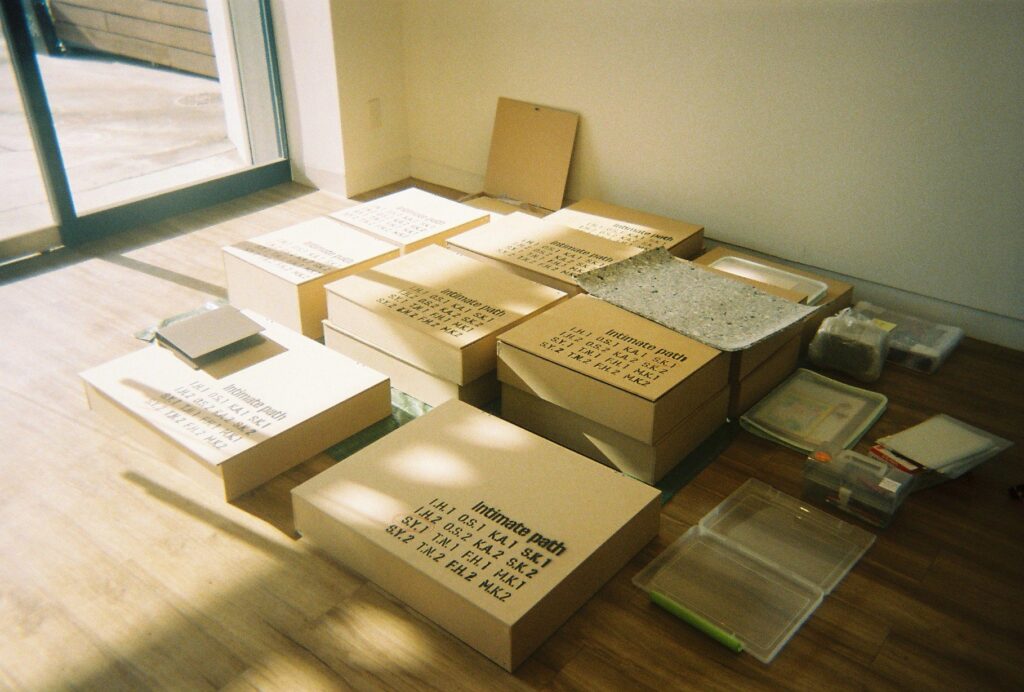
Two exhibitions curated by COM_COURSE as the FY2020 program of the ART369 Project in Nasushiobara, Tochigi. In “Intimate Path” (January–March 2021), “packages” containing a work by one of eight artists, together with related items and a message from the artist, were delivered to sixteen businesses along Prefectural Road 369, which lived with them at work or at home for about three weeks. Held under a state of emergency, it was a private, closed exhibition experienced only by the participating businesses. The following “from Intimate Path” (July–August 2021, ART369 space) showed the works together with the contents of the packages, attempting to carry the memory of the project outward in a different form. Artists: IWASAKI Kodai, OKUE Shun, KURASHIKI Aya, SHINODA Yu (first half); SHIMOYAMA Kentaro, TAJIKA Natsuko, FUJIBAYASHI Yu, MIWA Kyoko (second half).
栃木県那須塩原市の「ART369プロジェクト」の2020年度企画として、COM_COURSE が企画した2つの展覧会。『Intimate Path』(2021年1〜3月)では、県道369号沿いに店舗や事務所を構える16の事業者のもとへ、8名のアーティストの作品と、それにまつわる品や作者からのメッセージを包んだ「パッケージ」を届け、約3週間、職場や自宅でともに過ごしてもらった。緊急事態宣言下で、参加した事業者だけが体験した、私的で閉じた展覧会だった。続く『from Intimate Path』(2021年7〜8月、ART369 space)では、作品をパッケージの内容物とともに公開し、その記憶をかたちを変えて外へ届けることを試みた。参加作家:岩崎広大、小久江峻、倉敷安耶、篠田優(前期)、下山健太郎、田近夏子、藤林悠、三輪恭子(後期)。
2020 | Leaning Estate + Permanent Disposal Inventory / 凭れるエステ + 永久廃棄目録
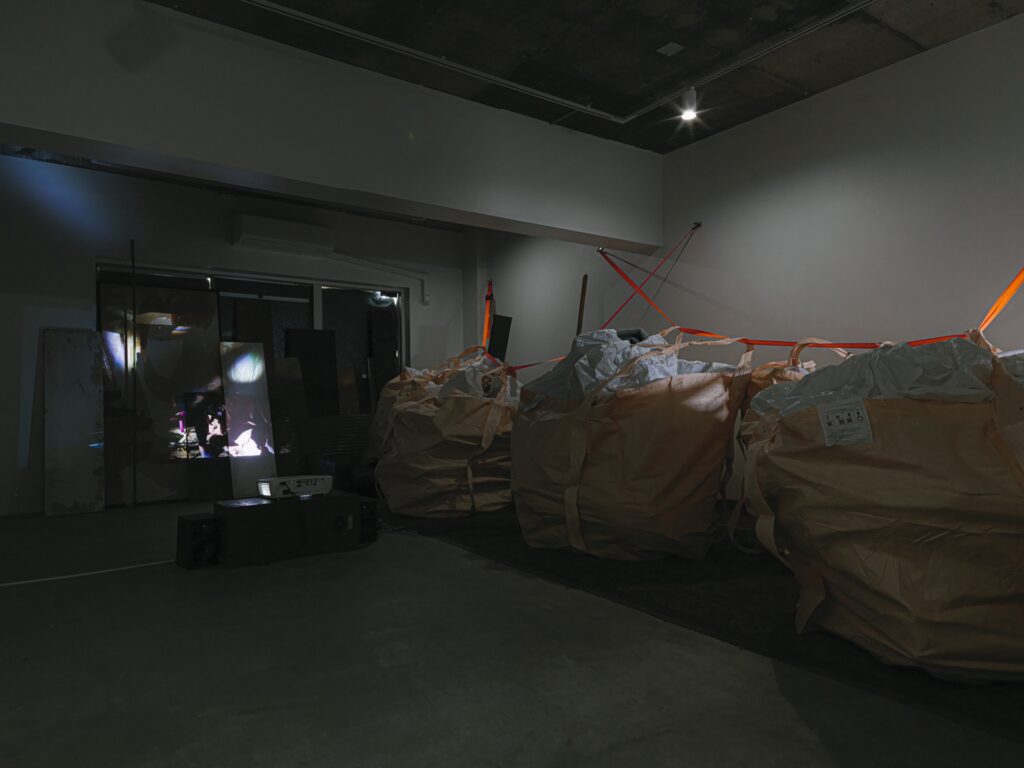
An installation combining waste materials accumulated over years in the childhood home of an acquaintance, brought into the exhibition space and paired with a monologue playing throughout. The installation itself is not for sale; instead, the waste materials serving as its medium are sold at 131 yen per kilogram. The monologue begins with the circumstances that led to the accumulation of this waste, before moving through discourses on the difficulties and stress of ownership in society, voiced from multiple different perspectives. Leaning into their own situation and surroundings as the impetus for making, the artist presents the work as a temporary state, cut off by the duration of the exhibition.
作家の知人の生家で長い時間をかけて堆積していった廃材を持ち込み、室内に流れる独白音声と組み合わせたインスタレーション。インスタレーションとして作品自体の販売は行わず、素材として扱われている廃棄物を1kgあたり131円で販売する。独白は廃棄物が生まれた状況の経緯から始まり、私的な問題から社会における所有の困難やストレスにまつわる言説を、複数の異なる視点から語り続ける。自身の置かれている状況や環境にもたれかかることを制作の動機とし、作品は会期という時間によって切り取られた一時的な姿である。
2020 | Decision in the Hospice
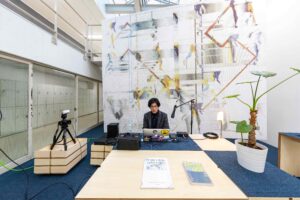

In late 2017, the mural Kizuna (1977) by USAMI Keiji was discarded during the renovation of a student cafeteria at the University of Tokyo. This installation takes that incident as its central point of reference. A full-scale reproduction of Kizuna is suspended diagonally and unstably overhead, dominating the entire exhibition space. Under this pressure, performers intermittently address the burdens that assets impose. Multiple monologues on the nature of individual ownership circulate through the space. The accumulation of cultural value in the public sphere is always accompanied by questions of who decides, and who bears responsibility. Taking the disposal of an artwork as a case study, this installation interrogates the politics of such decisions and the question of where responsibility lies.
2017年末、東京大学の学生食堂の改修に伴い、宇佐美圭司による壁画《きずな》(1977年)が廃棄された。本作はその事件を主要な参照点として制作されたインスタレーションである。《きずな》の実寸再現が会場の上部に斜めかつ不安定な形で吊り下げられ、空間全体を支配する。そのプレッシャーの下でパフォーマーは、資産の負担的側面について断続的に語る。周囲には、個々の所有のあり方をめぐる複数の独白が流れる。パブリックな場での文化的価値の蓄積は、誰がそれを決定し、誰がその責任を負うのかという問いを常に伴う。本作は、作品廃棄という具体的事件をケーススタディとして、その決断の政治性と責任の所在を問うインスタレーションである。
2020 | Marginal Discourse
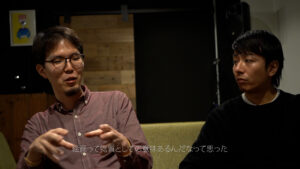

A video recording part of a three-hour session on the disposal of USAMI Keiji’s mural Kizuna. The four participants were neither parties to the incident nor experts, but were connected through a shared interest in art. It is a discourse born at the margins of the incident, in which each participant voices their own perspective. Filmed in conjunction with the exhibition Decision in the Hospice.
宇佐美圭司の壁画《きずな》廃棄事件を議題とした、3時間のセッションの一部を収めた映像。参加した4人は、事件の当事者でも専門家でもなく、アートを共通の関心としてつながっている。その4人による、事件の周縁から生まれたディスコースである。《Decision in the Hospice》の展示に合わせて撮影された。
2020 | Instructions for comfort
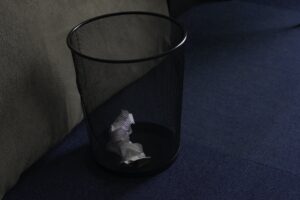
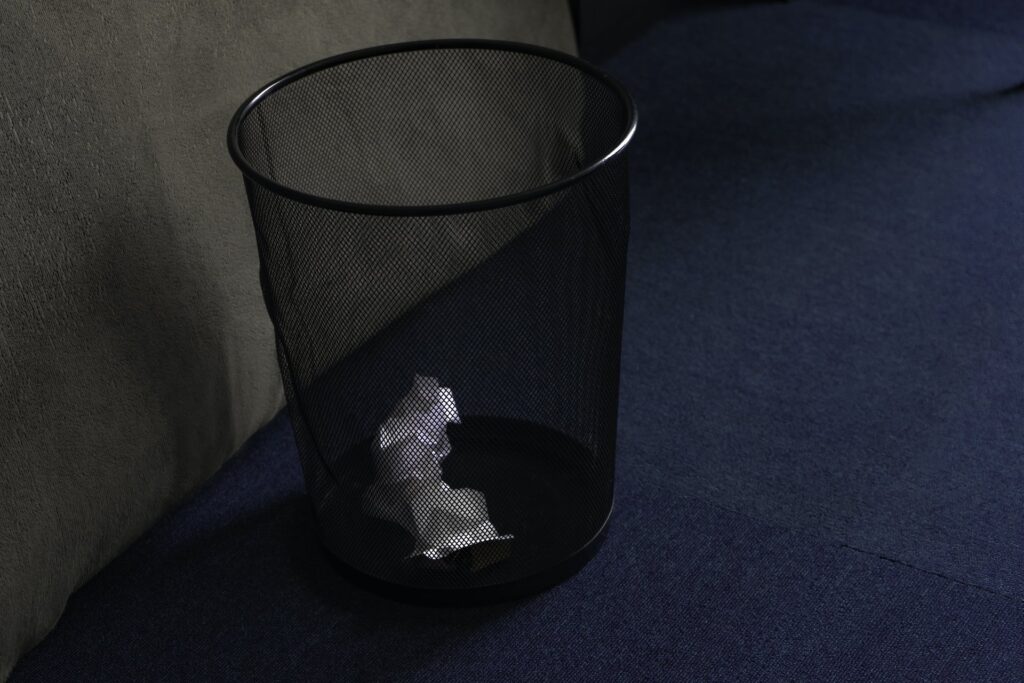
A text work in the form of instructions, made in 2020 for Project Le Bosquet, an exhibition project held in people’s homes and planned in response to the COVID-19 pandemic. In the project, viewers received print numbers for works on a website, printed them at convenience stores in Japan, and held an exhibition at home with the artists they chose. The work was made as a device for reconsidering what it means to sort things. The instructions are disclosed only to the purchaser.
2020年、COVID-19の流行を受けて企画された自宅開催型の展覧会「プロジェクト・ル・ボスケ」のために制作した、指示書によるテキスト作品。この企画では、鑑賞者がウェブサイトで作品のプリント番号を受け取り、国内のコンビニエンスストアで出力して、選んだ作家の作品で自宅に展覧会を開くことができた。本作は、物事を選び分けることの意味を捉え直すための装置として作られた。指示書は購入者にだけ公開している。
2020 | So that you can stay healthy / 健康的でいられるために
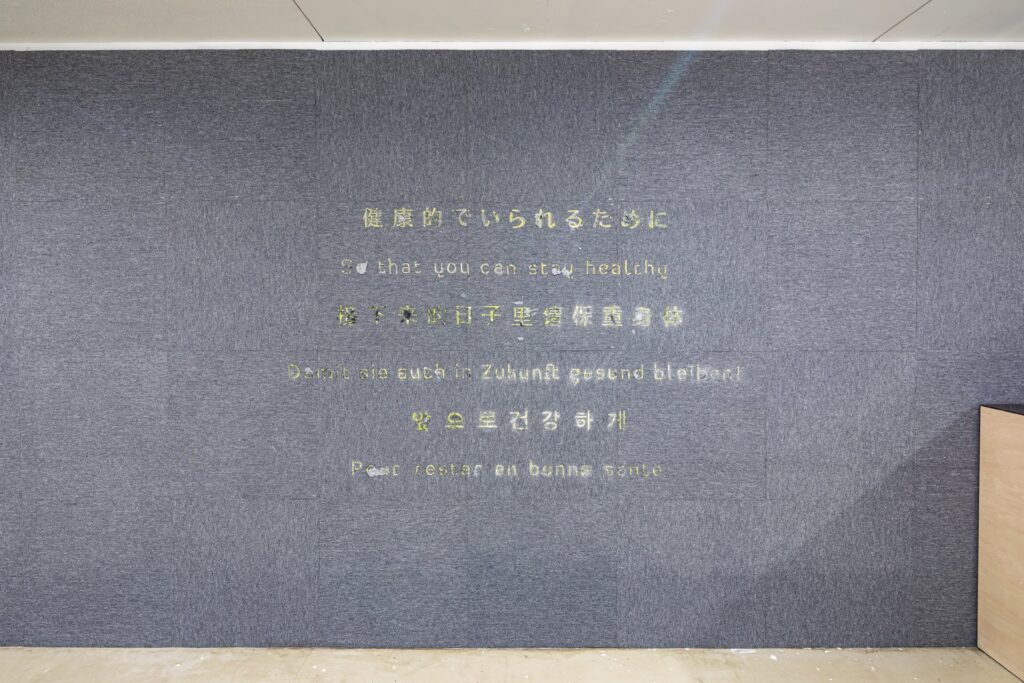
Among the friends the artist had made while living in Tokyo were people from six countries: Japan, Korea, China, Austria, France, and the United Kingdom. A question that recurred among them was how each person—given their cultural background, social circumstances, and situation—might manage their own physical and mental health at any given time and place. The question had persisted in the artist’s mind, first in Japanese. Without arriving at any concrete answers, they brought it to each friend and asked them to render it in their own native language. Those translations were then inscribed into bars of soap. The soap and the tile carpet used as a support were both everyday objects repurposed from the artist’s home—not purchased for the work, but used as found and disposed of after the exhibition.
東京での生活の中で交わりをもった友人たちの出自は、日本、韓国、中国、オーストリア、フランス、イギリスと6ヶ国にわたっていた。その間で繰り返された話題の一つは、それぞれの文化的・社会的背景や置かれた状況の中で、いかにして自身の肉体的・精神的な健康を保つことができるのか、というものだった。作家が日本語で考え続けていたその問いかけを、それぞれの友人に自身の母語に訳してもらい、具体的な解決策のないまま、その言葉を石鹸に刻んだ。石鹸も支持体のタイルカーペットも、作家の自宅で使っていた日用品の再利用である。展示のために新たに何かを購入するのではなく、手元にあるもので作り、展示後に処分することを想定していた。
2019– | I(we) am(are) making a line #2
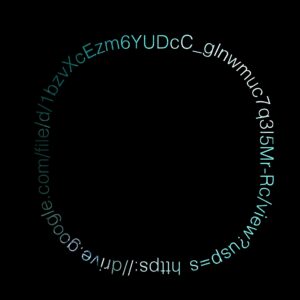
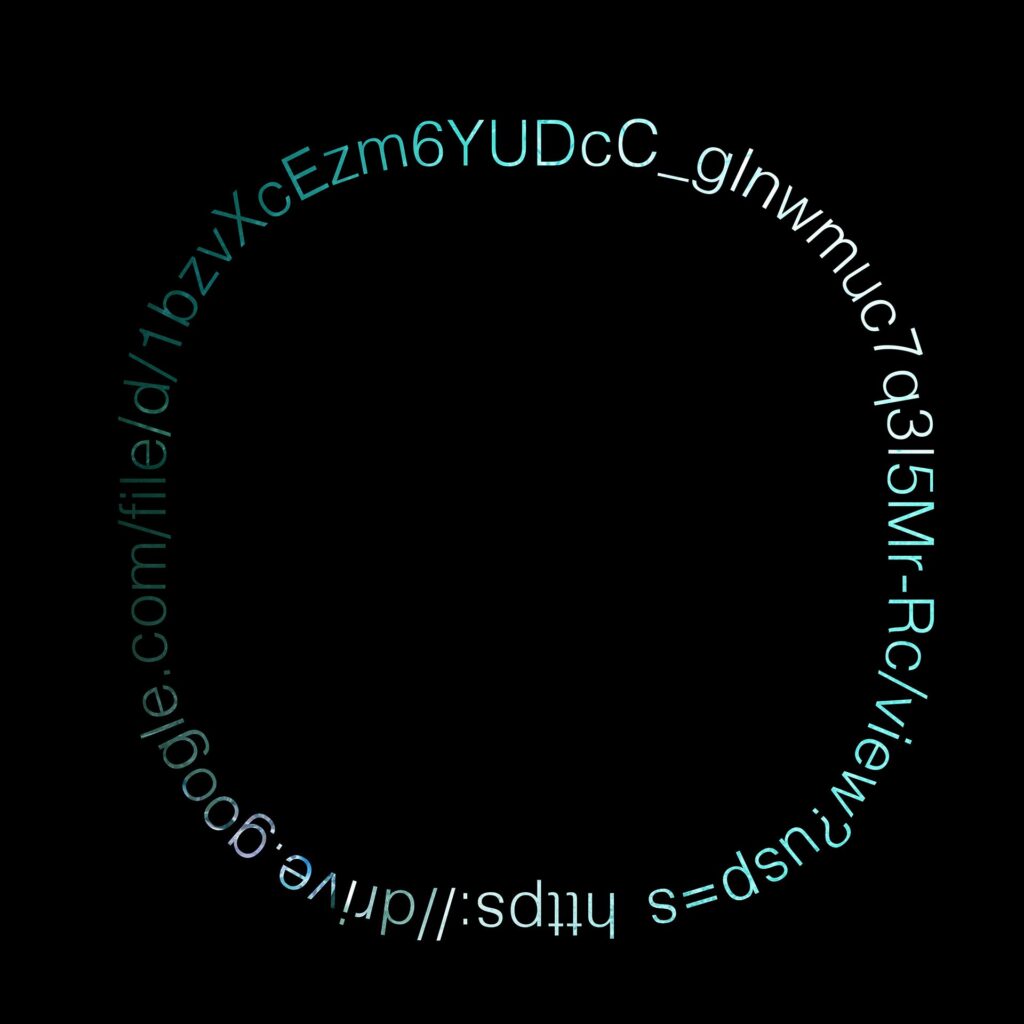
One of the artist’s folders on Google Drive, Google’s online cloud storage service. The folder contains several files, viewable by audiences through a shared link. Contents are updated irregularly—new images may be added, and existing ones deleted. Editing permissions are transferred as appropriate; those holding editing access may freely add or delete data from the folder. We can, at any time, together decide on a single value. A separate work from I(we) am(are) making a line #1, made of a different folder and shared link.
Google社のオンラインストレージサービスGoogle Driveにある作家のフォルダの一つ。フォルダの中にいくつかのデータが格納されており、鑑賞者はそれをリンクから閲覧することができる。フォルダ内は不定期で更新され、新しいイメージが追加されたり、既存のイメージが消去されたりする。また編集権限を適宜譲渡する。編集権を保有している人はこのフォルダに自由にデータを追加することができ、またデータを消してもいい。私たちは、いつでもみんなで一つの価値を決めることができる。《I(we) am(are) making a line #1》とは別のフォルダと共有リンクによる1点である。
2019– | I(we) am(are) making a line #1
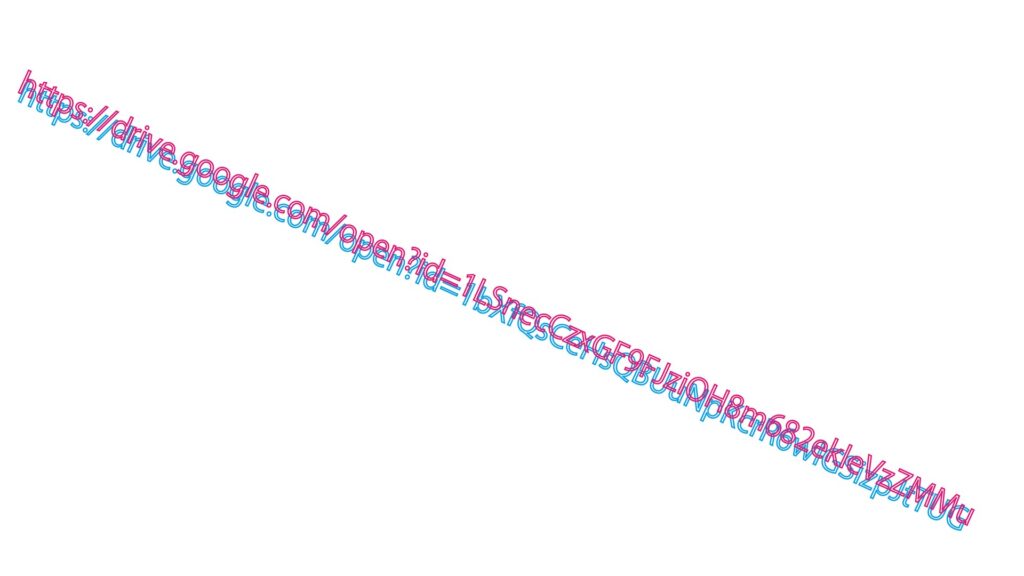
One of the artist’s folders on Google Drive, Google’s online cloud storage service. The folder contains several files, viewable by audiences through a shared link. Contents are updated irregularly—new images may be added, and existing ones deleted. Editing permissions are transferred as appropriate; those holding editing access may freely add or delete data from the folder. We can, at any time, together decide on a single value.
Google社のオンラインストレージサービスGoogle Driveにある作家のフォルダの一つ。フォルダの中にいくつかのデータが格納されており、鑑賞者はそれをリンクから閲覧することができる。フォルダ内は不定期で更新され、新しいイメージが追加されたり、既存のイメージが消去されたりする。また編集権限を適宜譲渡する。編集権を保有している人はこのフォルダに自由にデータを追加することができ、またデータを消してもいい。私たちは、いつでもみんなで一つの価値を決めることができる。
2017 | Temporary Disposal Inventory / 一時的廃棄目録
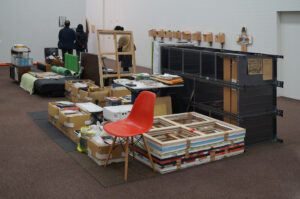

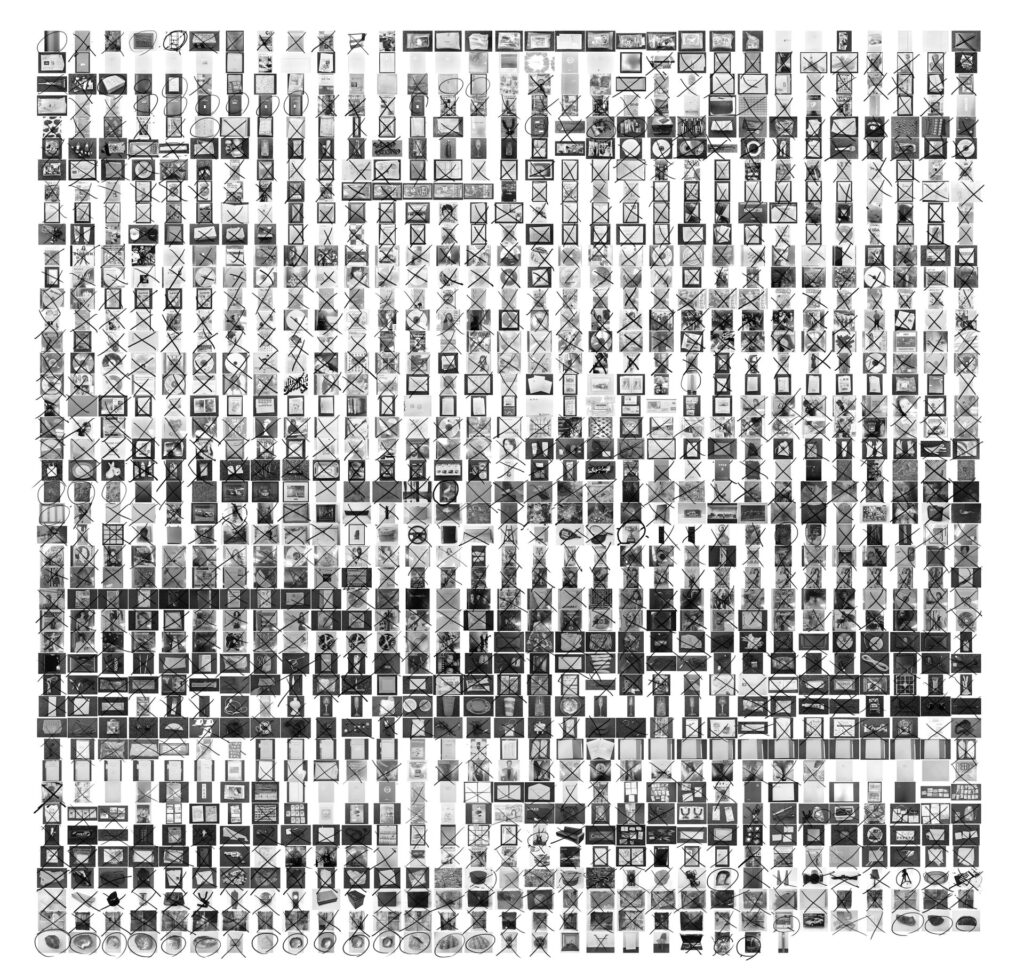
A life installation in which objects that have overflowed from domestic space are relocated to an exhibition venue, where they are continuously sorted and organized throughout the exhibition period. Items judged disposable are actually discarded after the exhibition closes; the remainder returns to everyday life. The first iteration was presented in 2017 as a graduation work in the Department of Oil Painting, Tokyo University of the Arts, at the 65th Tokyo University of the Arts Graduation and Completion Works Exhibition (Tokyo Metropolitan Art Museum). It received the department’s Graduation Work Grand Prize and was purchased by the University Art Museum, Tokyo University of the Arts. The work continues as an ongoing series, realized whenever a change in living situation coincides with an available exhibition.
Art finds it hard to let go of what it has once taken on. Turning this character back on the artist’s own life, the work was made not by producing anything new, but by re-sorting until the right amount remained.
What is exhibited is not only the objects that were chosen, but the time spent continuing to decide what to keep. A practice as archive, concerning the dual nature of wealth and debt, the provisional character of judgment, and the authority and urgency involved in choosing.
生活の場から溢れ出した物品を展覧会場へ移設し、会期中に分別・整理を続けるライフインスタレーション。廃棄と判断された物品は会期終了後に実際に処分され、残りは生活の中に戻る。初回は2017年、東京藝術大学美術学部絵画科油画専攻の卒業制作として、第65回 東京藝術大学卒業・修了作品展(東京都美術館)で発表した。油画専攻の卒業制作最優秀賞を受け、東京藝術大学大学美術館に買い上げられた。その後も、生活環境の変化と展覧会の時期が重なるタイミングで継続的に実施されているシリーズ作品である。
美術は一度引き受けたものを手放しにくい。その性格を自身の生活の側から捉え返し、何かを新たに制作するのではなく、適量になるまで再分別することを制作とした。
展示されるのは選び抜かれた物だけではなく、何を残すかを決め続ける時間である。富と負債の二面性、判断の一時性、選択における権威と切実さをめぐるアーカイブとしての制作。
2017– | His (Her) Signature
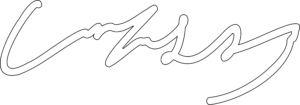

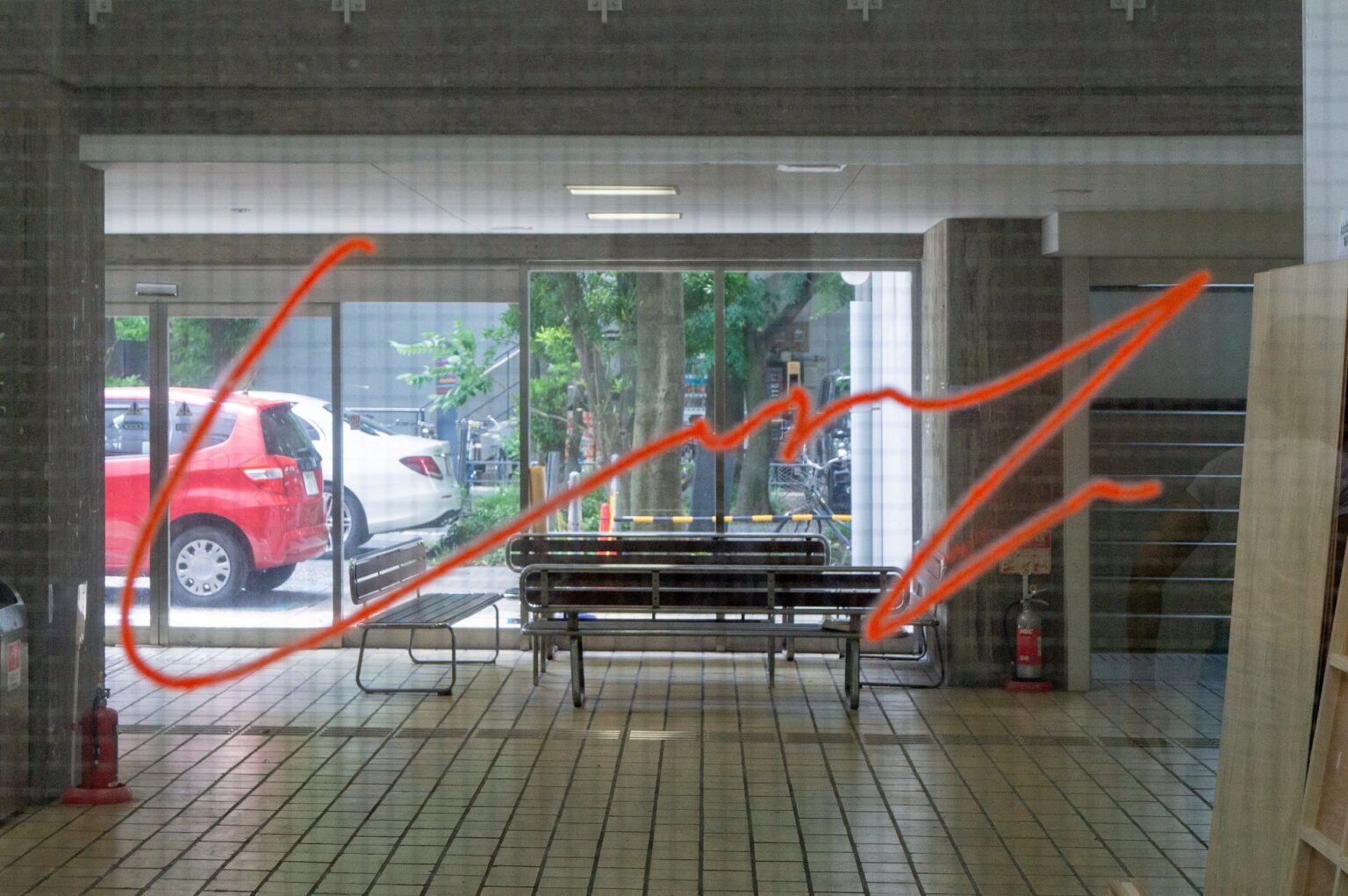
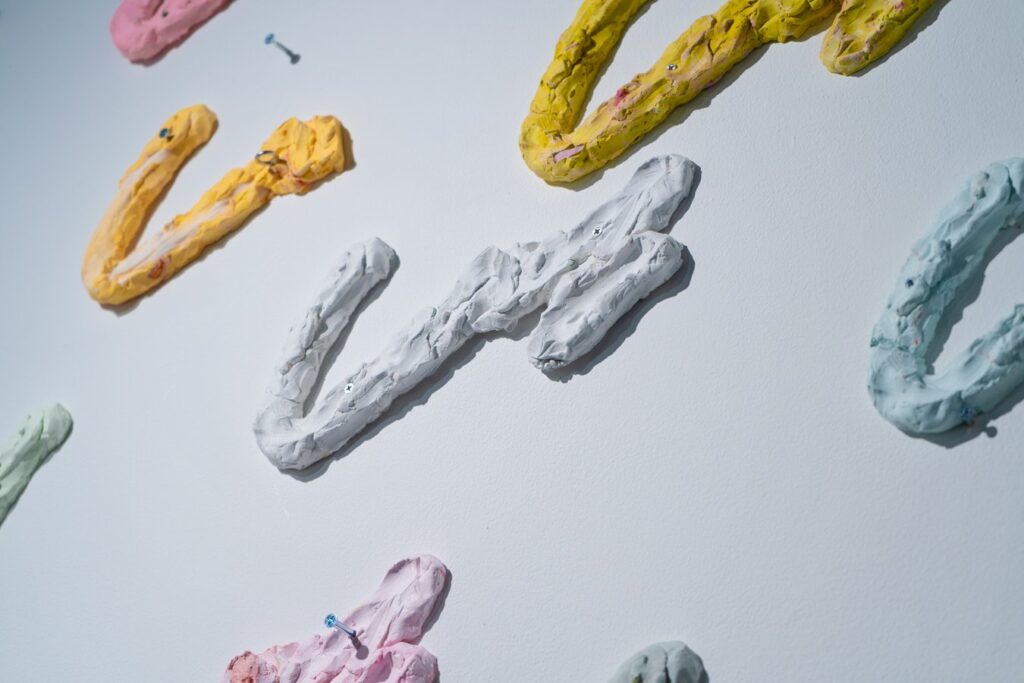
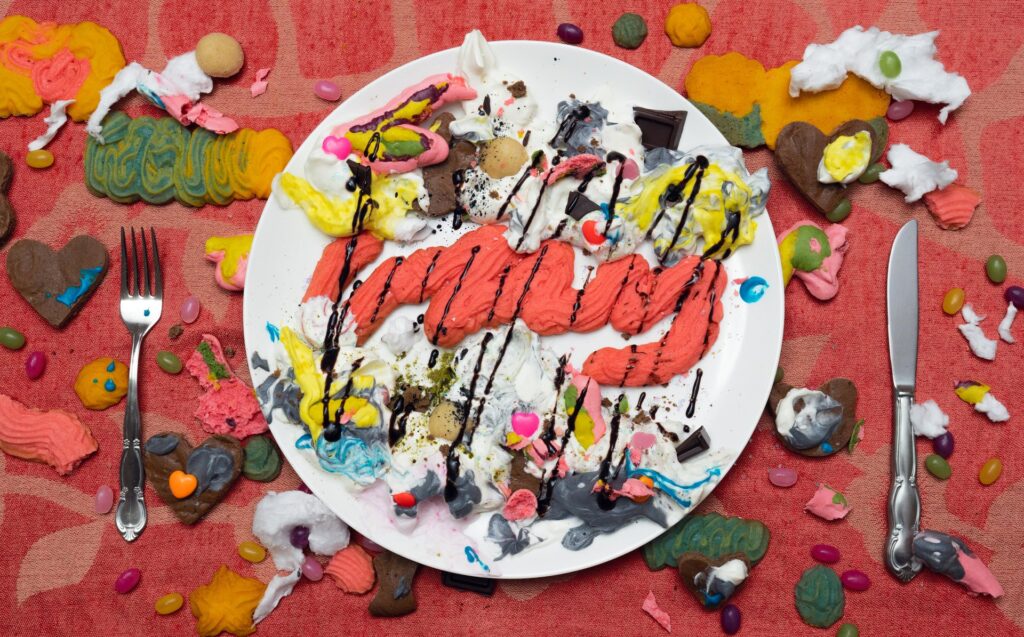
The artist began practicing the signing of artworks to overcome poor handwriting, eventually developing this act itself into an independent work. An ongoing series of variable works, each iteration is realized in materials and form determined by the exhibition context.
The title’s “His (Her)” brings together an awareness that the identity of a maker shapes how a work is perceived, and an engagement with debates around surname retention in marriage—the possibility that one’s own name, or a partner’s, may change.
In 2023, upon changing the artist name from “KUBOTA Tomohiro” to “KUBOTAOGUISS Tomohiro,” the artist practiced writing “Oguiss” anew and reconstructed the signature design. “Kubota” derives from the paternal family name and “Oguiss” from the maternal, a renaming that connects directly to the themes at the heart of this work.
作家は、自身の悪筆を克服するために作品への署名を練習していたが、その行為自体を独立した作品として展開するようになった。展示の場に応じて素材と形式が更新され続ける、継続中の可変的な作品シリーズである。
タイトルの「His (Her)」には、作者の属性によって作品の見られ方が変わるという関心と、夫婦別姓をめぐる議論——結婚によって自身やパートナーの苗字が変わりうること——への意識が重なっている。
2023年に作家名を「久保田智広」から「久保田荻須智広」へと改めるにあたり、「おぎす」という名の書き方を新たに練習し、署名のデザインを再構築した。「くぼた」は父方、「おぎす」は母方の姓に由来しており、この改名は本作のテーマと深く接続している。
c. 2016–2020 | It massages me and you
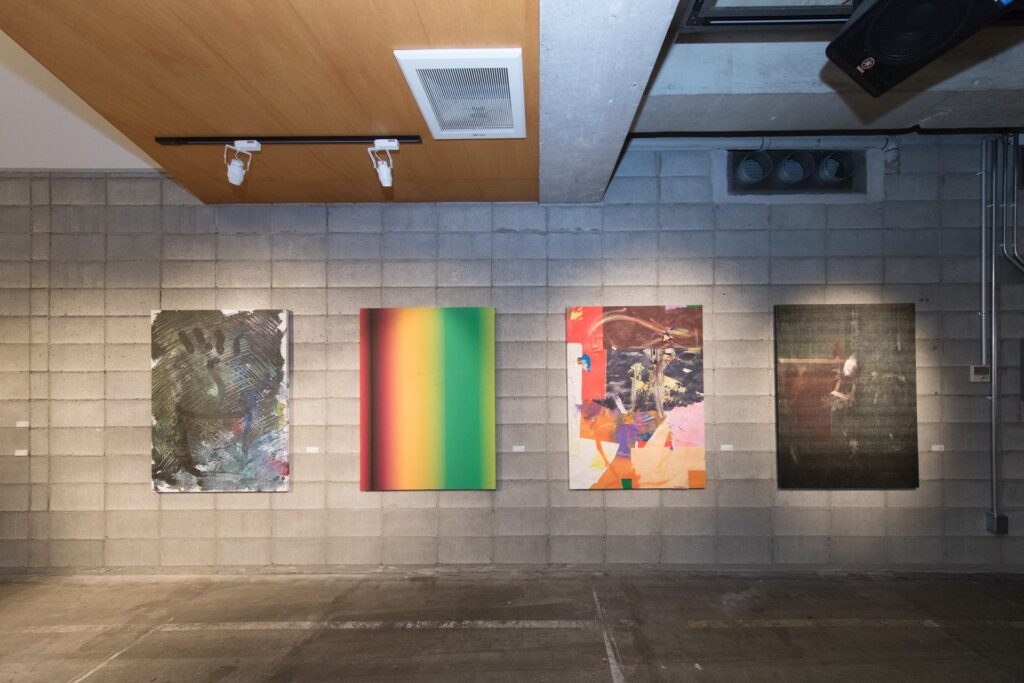
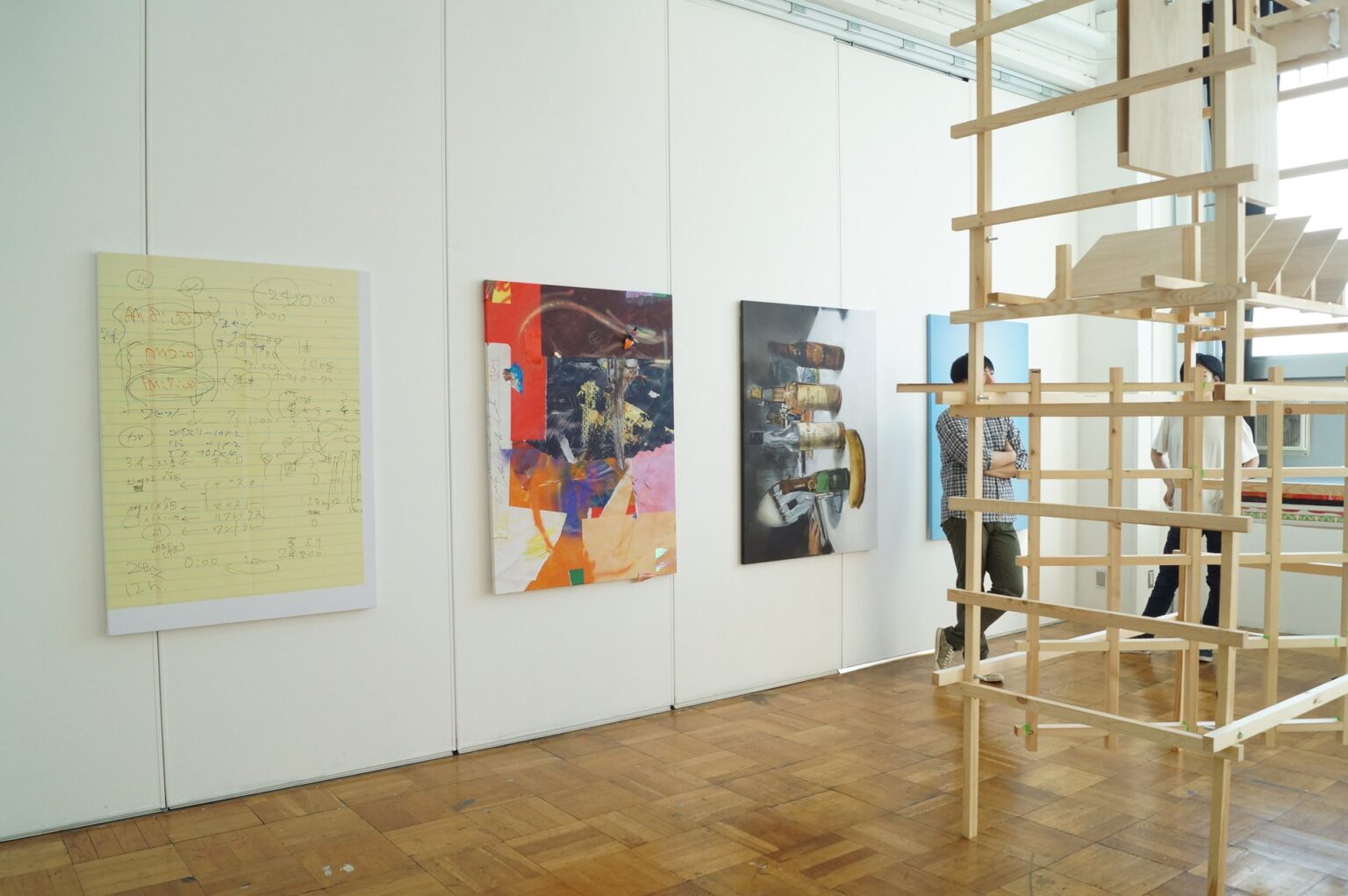
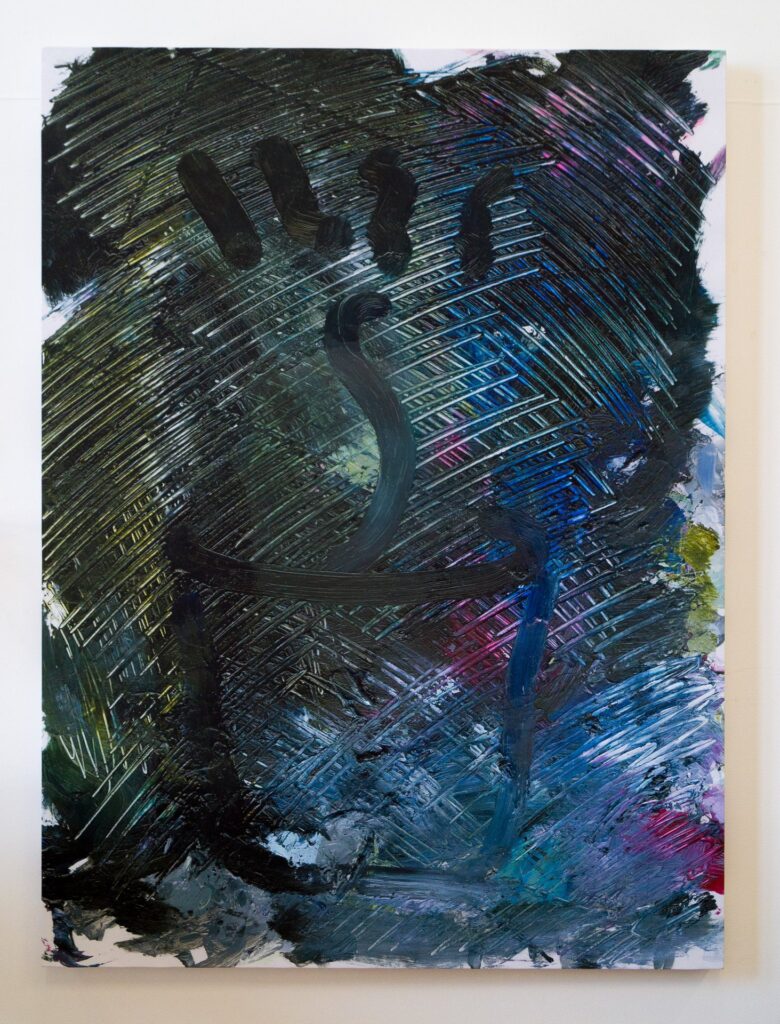
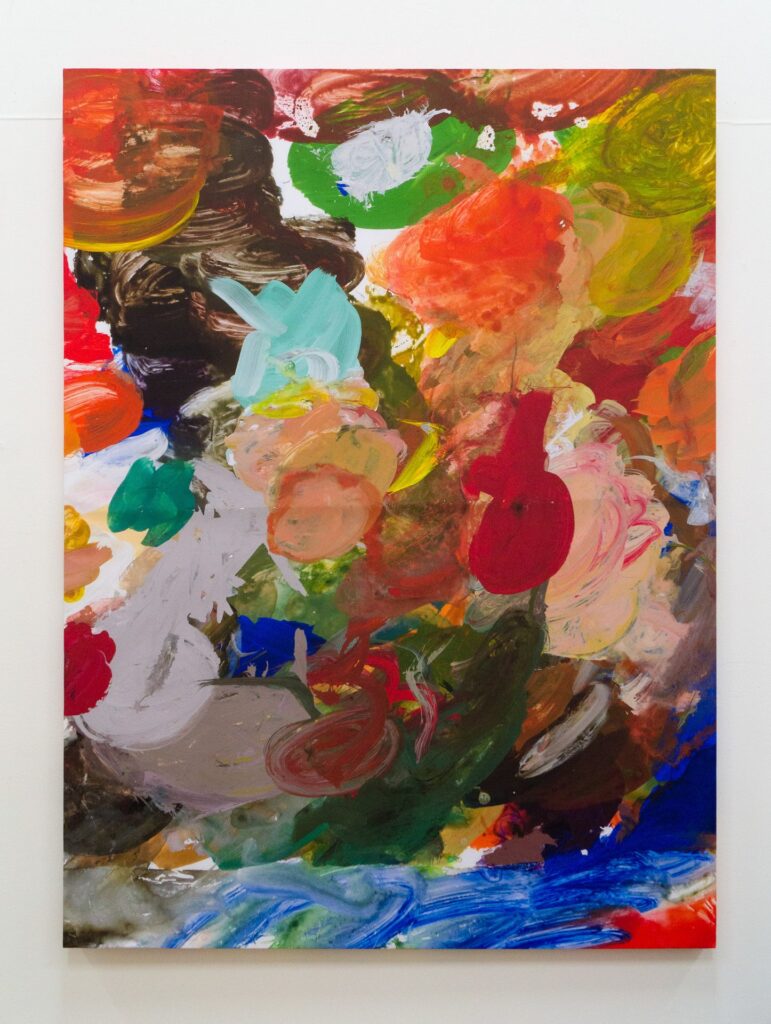
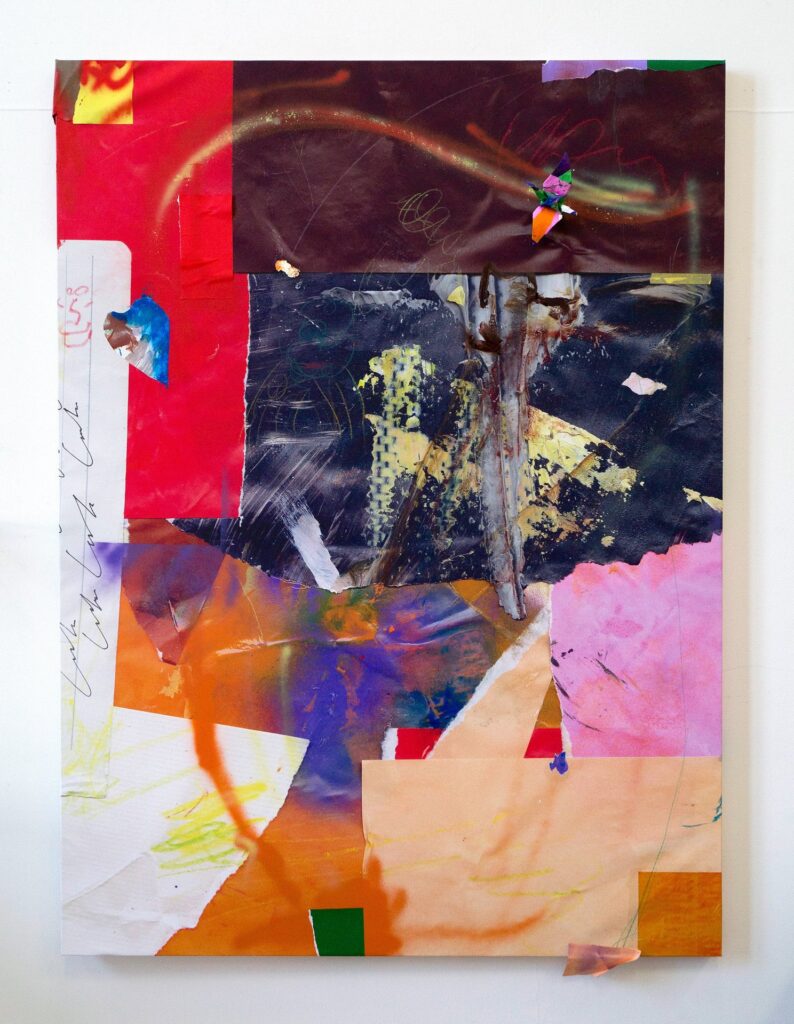
A painting series produced against a background of Marshall McLuhan’s media theory. Scanning past drawings and found palettes, printing them at enlarged scale, and repeatedly applying paint while removing ink, the works compose surfaces where hand-drawing and mechanical reproduction, generation and erasure intermingle. The title derives from an association with McLuhan’s phrase “The medium is the massage,” carrying within it the suggestion of media’s unconscious reshaping of perception. The series led the artist to pursue a specialization in printmaking. At the same time, the experience of sorting and discarding both past works and household objects together in the 2017 graduation piece Temporary Disposal Inventory became a turning point connecting to the artist’s current practice around the indebtedness of artworks and the sorting of value.
マーシャル・マクルーハンのメディア論を背景に制作された絵画シリーズ。過去のドローイングや拾得したパレットをスキャン・拡大出力し、絵具による加筆とインクの除去を繰り返すことで、手描きと複製、生成と消去が交錯する画面を構成している。タイトルは “The medium is the massage” の連想に由来し、メディアが知覚を無意識のうちに変形していく作用を含んでいる。このシリーズは、作家が版画専攻へ進む契機となった。一方で、2017年の卒業制作《一時的廃棄目録》で過去作品と家庭の備品をともに分別・廃棄した経験を経て、現在の「作品の負債性」や「価値の分別」をめぐる制作へとつながっていった。